The New Rules of Workwear: Modern Professional Clothing Trends in 2026
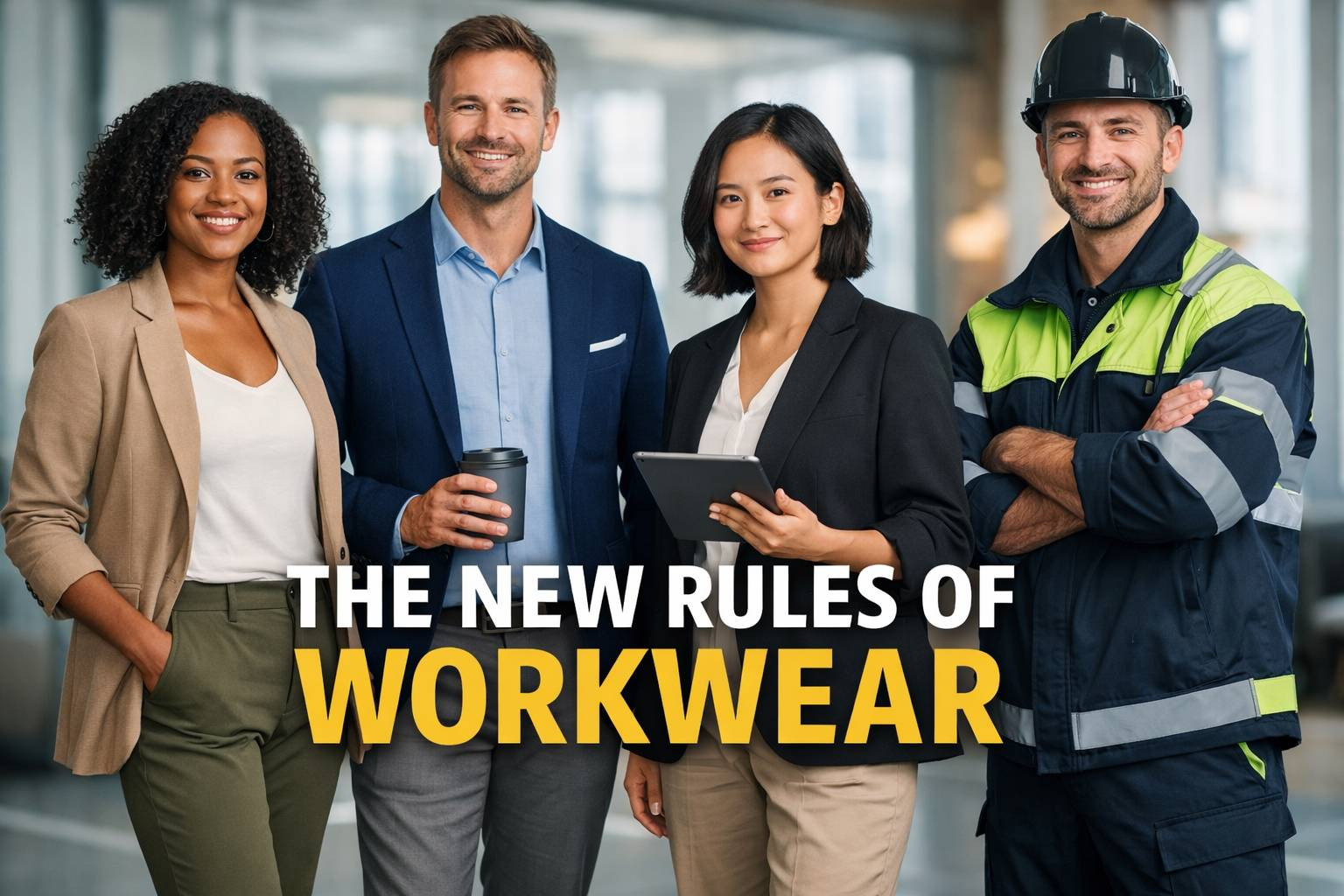
Workwear has undergone a dramatic transformation in recent years. Gone are the days when office attire meant stiff suits, formal shoes, and rigid rules. Today, professional clothing in 2026 is all about comfort, inclusivity, sustainability, and personal expression, while still maintaining a polished, professional look.
Whether you’re in a corporate office, creative studio, frontline job, or hybrid workplace, how you dress can influence your confidence, productivity, and how others perceive you. Understanding these new rules of workwear is essential for anyone wanting to stay relevant and professional in the modern workplace.
1. Comfort Is King: Workwear That Moves With You
The first rule of modern workwear is simple: if it doesn’t feel comfortable, it’s not working. The modern worker moves constantly from meetings to desk work to field tasks and clothes need to support that.
Key Comfort Features:
● Smart Fabrics: Breathable, moisture-wicking, and wrinkle-resistant materials help you stay comfortable from morning meetings to evening presentations.
● Ergonomic Cuts: Stretchable fabrics and flexible tailoring allow unrestricted movement.
● Hybrid Pieces: Clothing designed for work, commuting, and casual errands without looking out of place.
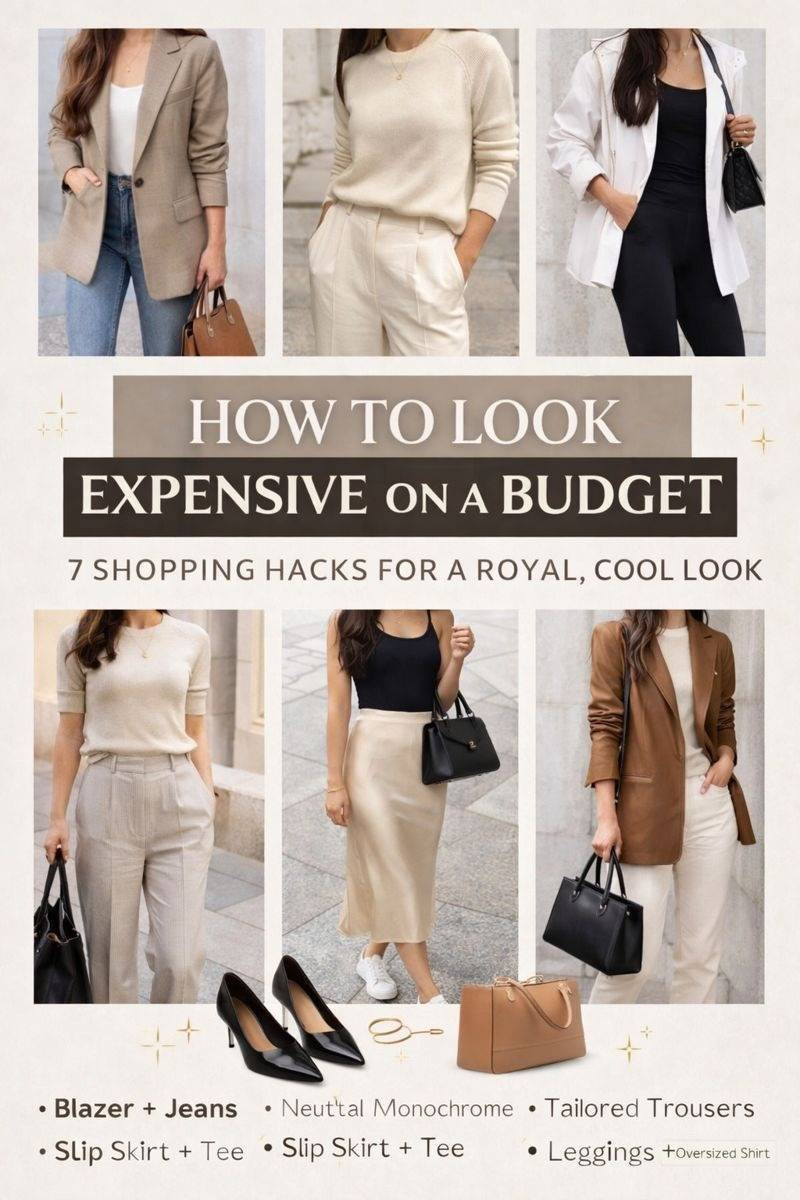
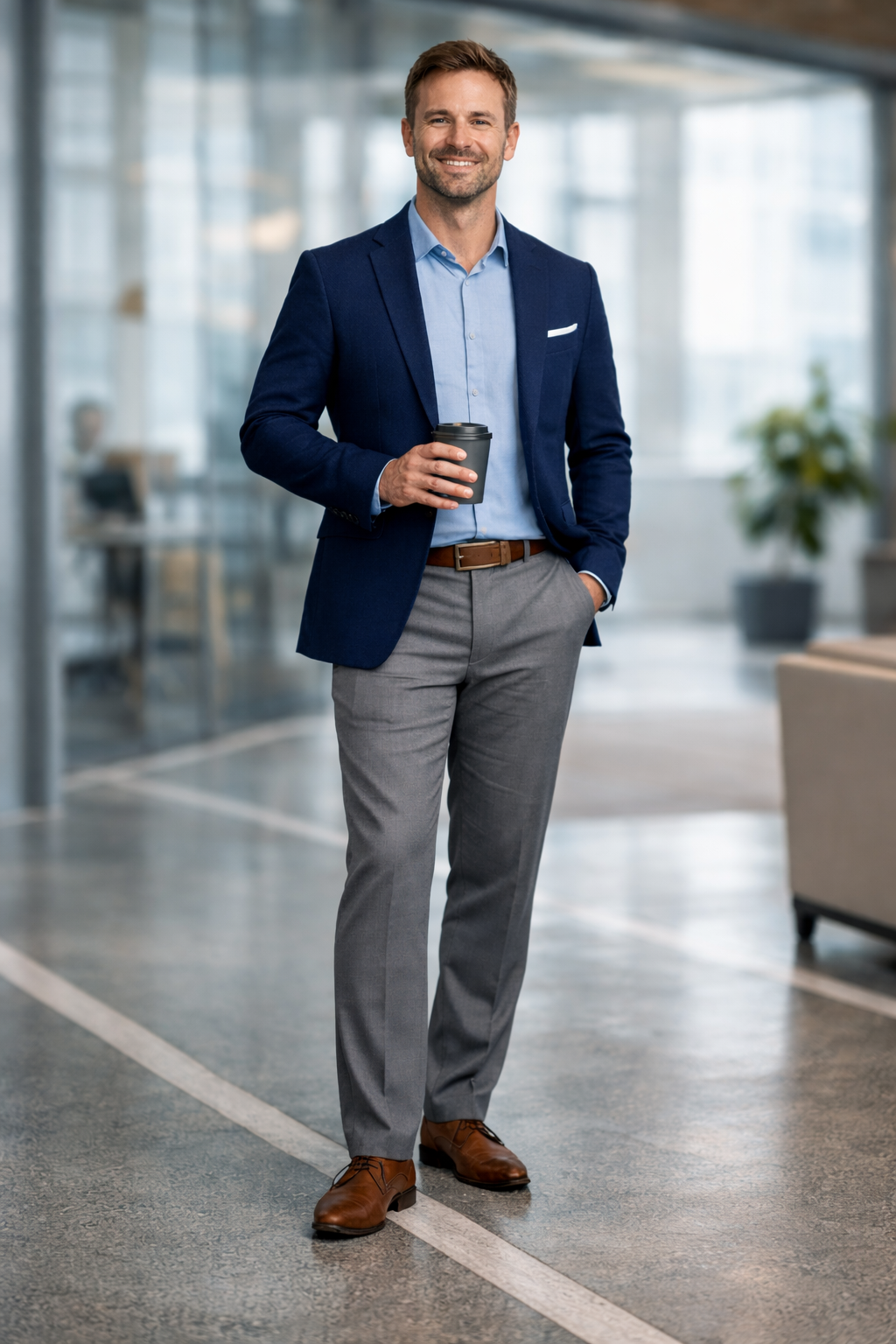
Example: A soft, stretch-fit blazer paired with tailored chinos and cushioned loafers offers a professional appearance while allowing freedom of movement throughout the day.
Industry Tip:
● Corporate Offices: Lightweight blazers with stretch trousers.
● Creative Industries: Casual blazers with patterned shirts and dark jeans.
● Frontline Jobs: Breathable, durable uniforms with adjustable features for comfort during long shifts.
2. Sustainability Is No Longer Optional
Modern professionals care about the environment, and their clothing choices reflect that. Sustainability in workwear is not just a trend, it's becoming an expectation.
Sustainability in Practice:
● Eco-Friendly Fabrics: Organic cotton, hemp, bamboo, and recycled polyester are increasingly popular.
● Ethical Manufacturing: Transparent supply chains ensure fair labor practices.
● Durable Clothing: Quality over quantity reduces waste and ensures long-term usability.
Example: A tailored suit made from recycled polyester blends and organic cotton is both environmentally friendly and professional.
Why It Matters:
● Demonstrates responsibility and awareness in professional settings.
● Enhances a company’s brand as socially and environmentally conscious.
Actionable Tip: Start with a few key sustainable pieces like blazers, shirts, or trousers, and gradually replace older clothing with eco-conscious options.
3. Inclusivity and Fit Are Essential
Workwear in 2026 recognizes that one size does not fit all. Clothes now cater to a range of body types, genders, and abilities, ensuring all employees feel comfortable and confident.
Inclusivity Features:
● Gender-Neutral Clothing: Suitable for all genders without reinforcing stereotypes.
● Extended Sizing: From petite to plus size, workwear now accommodates diverse body types.
● Adaptive Design: Easy closures, adjustable waists, and flexible fabrics make clothes accessible for everyone.
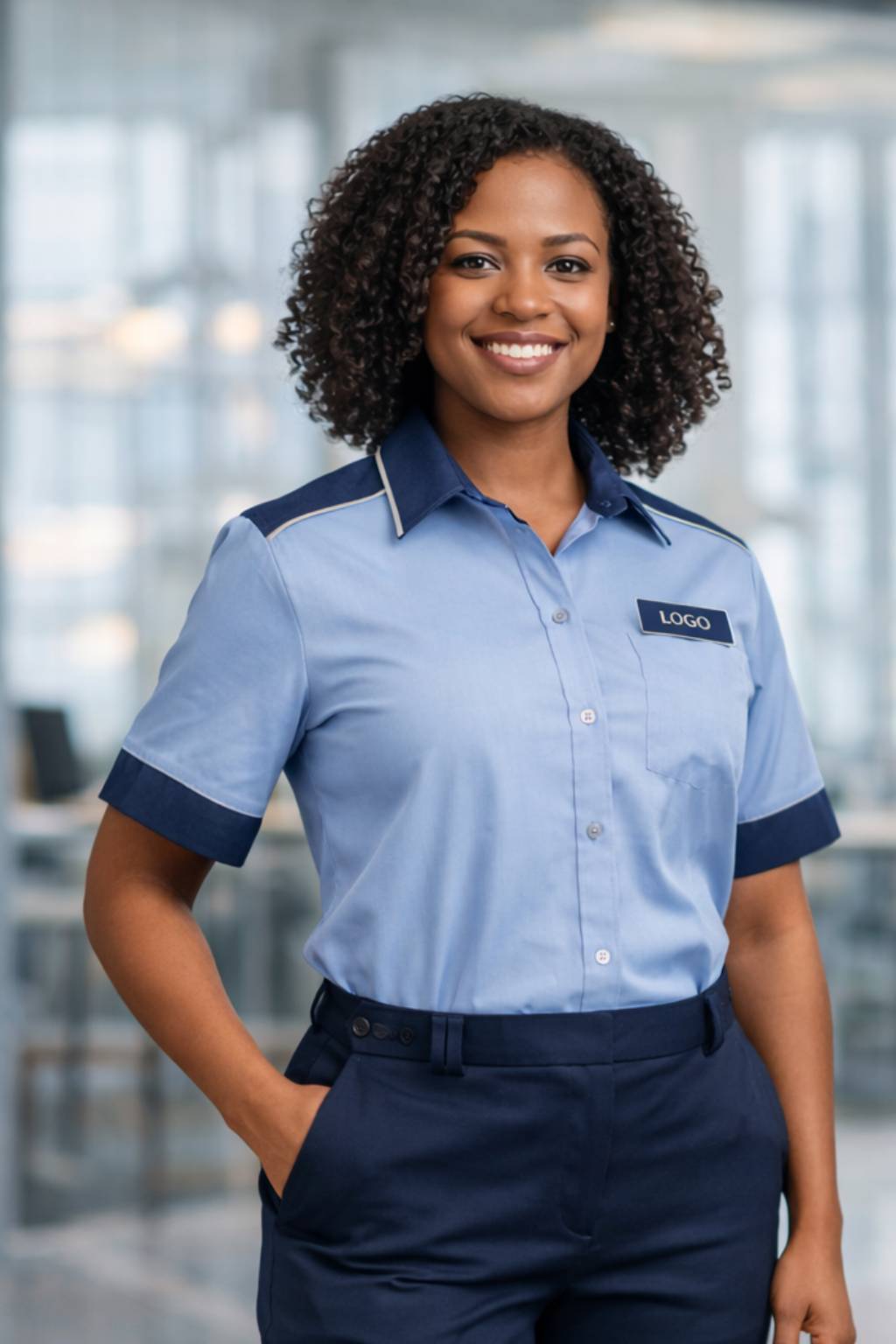
Example: Adjustable waistbands and flexible fabrics in corporate uniforms ensure comfort for all employees, while maintaining a professional appearance.
Industry Tip:
● Healthcare & Retail: Adaptive workwear allows staff to move easily and comfortably while performing physically demanding tasks.
● Corporate Offices: Gender-neutral and inclusive sizing makes professional attire accessible to everyone.
4. Professionalism Meets Personal Expression
Professional clothing no longer means suppressing individuality. Modern workwear balances polish with personal style, letting employees express themselves while maintaining a professional image.
Ways to Express Yourself:
● Smart Casual Staples: Relaxed blazers, chinos, soft blouses, and polished sneakers replace stiff formalwear.
● Layering and Accessories: Scarves, belts, watches, subtle jewelry, and patterned socks add personality without compromising professionalism.
● Color and Pattern: Neutral base colors with bold accent pieces are increasingly acceptable in professional settings.
Example: In creative workplaces, employees may pair tailored trousers with bright shirts or blouses, combining professionalism with personal flair.

Industry Tip:
● Corporate Offices: Stick to subtle patterns and muted tones for a polished look.
● Creative Industries: Embrace colors, prints, and unconventional cuts for a modern, stylish vibe.
5. Functionality Is Key
Modern workwear isn’t just about style, it's about practicality. Clothing must support day-to-day tasks while looking professional.
Functional Features:
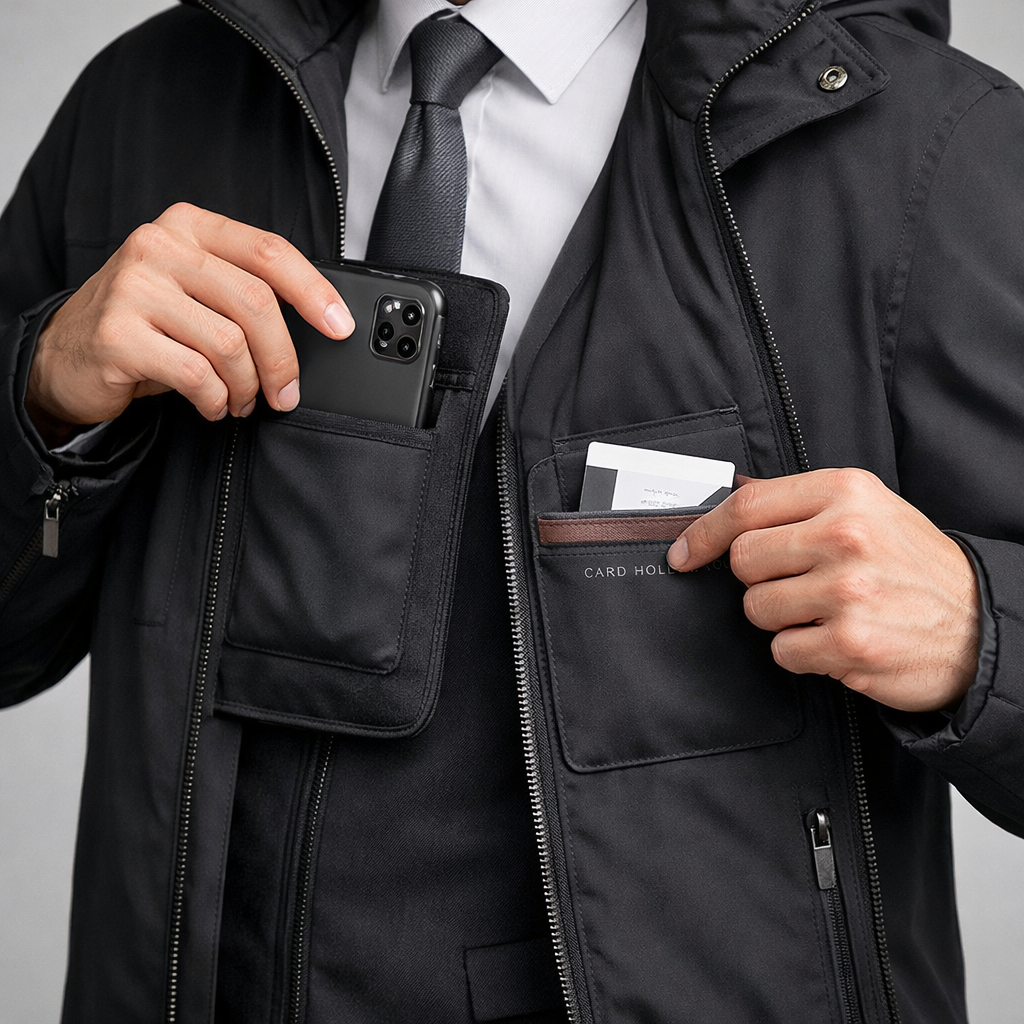
● Pockets and Storage: Jackets and trousers with functional pockets for phones, pens, and notebooks.
● Durable Materials: Long-lasting fabrics withstand extended wear and varying work environments.
● Versatility: Outfits that work across office meetings, field visits, and casual settings.
Example: A sleek jacket with hidden pockets for a smartphone and business cards is both functional and stylish.
Actionable Tip: Invest in versatile pieces that work across multiple environments. A well-tailored blazer or smart trousers can be paired with different tops for varied looks.
6. Historical Perspective: How Workwear Evolved
Understanding the evolution of workwear helps contextualize these changes:
● 1950s–1970s: Formal suits and uniforms dominated, reflecting rigid hierarchies.
● 1980s–1990s: Casual Fridays introduced flexibility but were limited.
● 2000s: Business casual became the norm in offices, but comfort and style were secondary.
● 2020s: Hybrid workplaces, sustainability, inclusivity, and personal expression redefine professional clothing entirely.
The trend is clear: workwear is no longer about rules it’s about people.
7. The Core “New Rules” of Workwear
| Old Approach | New Rule |
| Must be stiff and formal | Comfortable, flexible, and supportive |
| Same style for everyone | Inclusive sizing and adaptive designs |
| Professional = Traditional | Professional can be stylish and expressive |
| Cheap, disposable clothing | Sustainable, quality-focused options |
| Work clothes stay at work | Versatile clothing for multiple environments |
8. Bottom Line: Workwear That Works for You
The modern workplace demands clothing that supports employees physically, mentally, and socially. Comfort, sustainability, inclusivity, and personal expression are now central to professional attire.
By updating your wardrobe with smart, eco-friendly, versatile pieces, you can:
● Feel confident and comfortable
● Maintain a professional appearance
● Express personal style
● Make a positive impact on the environment
Practical Tip: Begin with staples like a sustainable blazer, smart trousers, or versatile shoes. Gradually expand your wardrobe with pieces that align with these new workwear rules.
9. Bonus: Outfit Examples for 2026 Workwear
Office Professional: Stretch-fit blazer + tailored trousers + classic shoes
Creative Workplace: Patterned blouse + smart jeans + colorful sneakers
Hybrid Work: Soft shirt + chinos + comfortable loafers
Frontline/Uniformed Roles: Breathable top + adaptive pants + supportive footwear
These combinations reflect the modern balance of comfort, style, and professionalism.
Post Comment
Be the first to post comment!