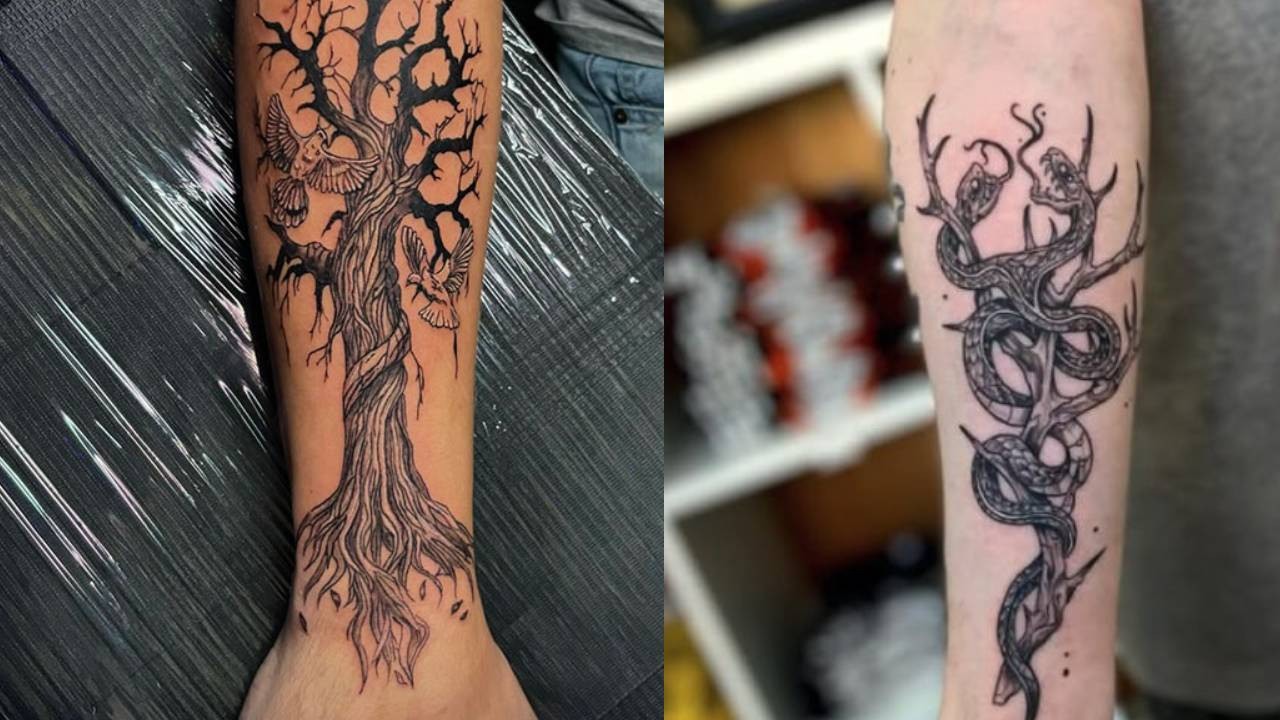
The poison tree tattoo has emerged as one of the most compelling and philosophically rich designs in contemporary body art culture. Far more than a mere aesthetic choice, this striking imagery carries layers of meaning rooted in both classic literature and modern psychological interpretation. Derived from William Blake's haunting 1794 poem "A Poison Tree," these tattoos represent suppressed emotions, toxic relationships, personal transformation, and the complex interplay between beauty and danger in human experience.
For those considering this design, understanding its profound symbolism, diverse visual interpretations, and practical considerations becomes essential. Whether you're drawn to the gothic aesthetic, seeking to process past trauma, or appreciate the metaphorical depth of botanical danger, a poison tree tattoo offers meaningful body art that speaks to resilience, shadow work, and personal growth.
Origins in Literature: William Blake’s Timeless Poem
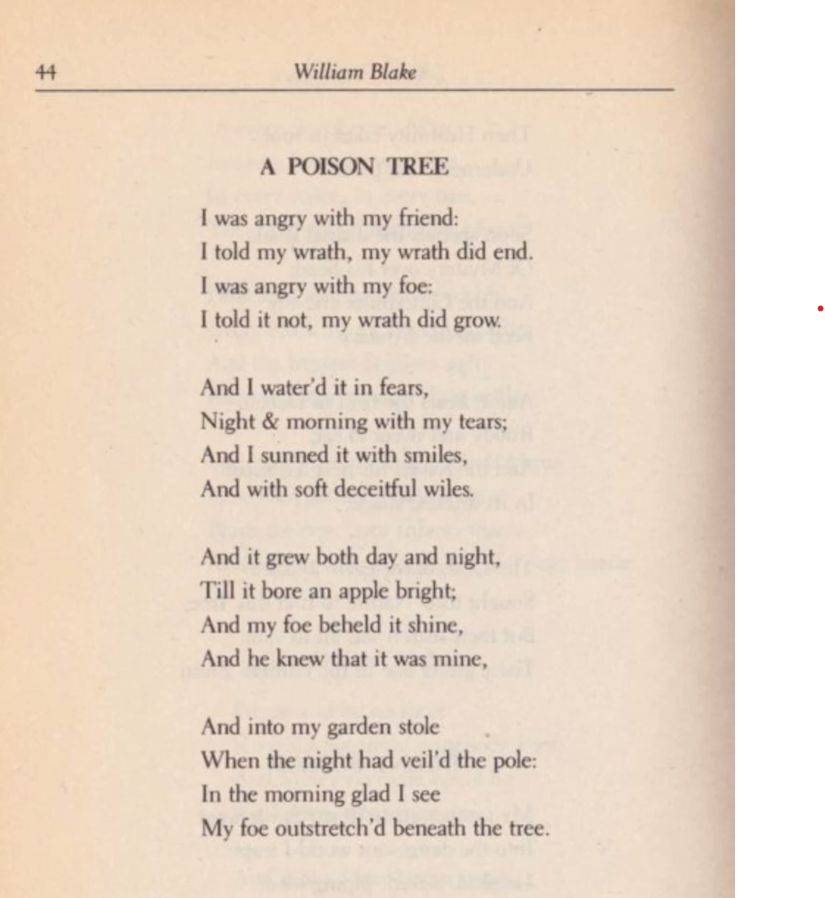
The Literary Foundation: William Blake's "A Poison Tree"
The poison tree tattoo owes its primary cultural significance to William Blake's poem, which explores two contrasting responses to anger with starkly different consequences:
"I was angry with my friend;
I told my wrath, my wrath did end.
I was angry with my foe:
I told it not, my wrath did grow."
Blake's narrative unfolds as the speaker nurtures his unexpressed anger like a plant, watering it with tears, tending it with deceitful smiles, until it grows "both day and night" and bears a poisonous apple. The poem's climax—when the foe discovers and consumes the fruit, only to be found "outstretched beneath the tree"—serves as a morality tale about the dangers of emotional suppression and internal toxicity.
This literary foundation provides poison tree tattoos with intellectual depth absent from purely decorative designs. Wearers are connecting themselves to a meditation on communication, emotional honesty, and the consequences of allowing resentment to fester. The poem's enduring relevance explains why it continues to inspire tattoo designs over 230 years after publication.
Core Symbolism: Duality, Emotion, and Inner Conflict
While each person’s tattoo can hold personal significance, there are several common themes behind Poison Tree tattoos:
1. Emotional Turmoil and Suppressed Anger
For many, the Poison Tree represents the dangers of bottled-up emotions. Just as a tree fed with poison produces toxic fruit, unresolved anger can lead to self-harm, resentment, or fractured relationships. The tattoo becomes a cautionary reminder to face feelings honestly rather than letting them fester.
2. Transformation and Growth
Not all interpretations are dark. Some wearers see the poison tree as a symbol of growth through adversity. Like a tree weathering storms, the design can represent overcoming hardship, healing after pain, or the strength found in emotional honesty.
3. Duality of Beauty and Danger
Trees traditionally symbolize life, resilience, and wisdom. Add poison to the image and it becomes a striking portrayal of contrast: beauty intertwined with risk, strength tangled with vulnerability, and light shadowed by darkness. This duality makes the tattoo both visually compelling and emotionally rich.
4. Hidden Stories and Personal Narratives
Because trees grow complex root systems and branches, the poison tree tattoo often mirrors inner psychological landscapes. Roots may represent deep trauma or past wounds, while leaves or fruit speak to outcomes that shape a person’s journey.
Why People Choose a Poison Tree Tattoo
People often choose Poison Tree tattoos for reasons that go far beyond aesthetics:
● Personal healing and resilience
● Tributes to past struggles and survival
● Homage to literary and philosophical depth
● Expression of inner complexity and emotional intelligence
● A reminder to live authentically and confront difficult feelings
As a piece of body art, it serves not just as decoration, but as a personal manifesto — a way of wearing your story on your skin.
Common Styles and Design Elements
Poison Tree tattoo designs vary widely, each adding layers to the core symbolism:
● Twisted, Bare Branches: Represent struggle and emotional chaos.
● Fruit (Often Dark or Forbidden): Symbolizes consequences of untreated emotional pain.
● Blended Art Styles: From realistic botanical pieces to gothic or surreal interpretations.
● Complementary Symbols: Snakes (temptation), skulls (mortality), clocks (time & healing), or quotes from Blake’s poem.
Placement — whether on the forearm, back, or chest — also influences meaning. A forearm design might reflect strength and openness, while a chest piece signifies emotional depth close to the heart.
Color Psychology and Meaning
Color choices in poison tree tattoos significantly amplify symbolic impact, with each hue carrying distinct psychological associations:
Deep Red and Crimson
● Blood red: anger, passion, violence
● Crimson apples: temptation, forbidden desires
● Deep burgundy: sophisticated darkness, mature reflection
Black and Dark Tones
● Death and the unconscious
● Suppressed emotions and hidden truths
● Shadow self and mystery
● Produces maximum contrast and dramatic visual impact
Green Variations
● Poison green: sickness, envy, toxic growth
● Forest green: natural life force, ancient wisdom
● Sickly yellow-green: disease, corruption, decay
● Deep emerald: hidden wisdom and transformation
Purple Tones
● Royal purple: nobility, spiritual depth
● Dark violet: mystery, magic, transformation
● Lavender accents: healing, peace, balance
For those preferring monochromatic designs, black and grey remain timeless choices, aging better than colored tattoos while showcasing fine detail and demonstrating the artist's technical skill.
Classic Poison Tree Tattoo Ideas
1. Twisted Poison Tree (Black & Grey)

A dark, leafless tree with gnarled, spiral branches.
● Meaning: Suppressed anger, inner chaos, unresolved emotions
● Why it works: High contrast, dramatic shadows, timeless tattoo style
● Best placement: Forearm, upper arm, calf
2. Poison Tree with Forbidden Fruit
A sinister tree bearing dark apples or rotting fruit.
● Meaning: Consequences of hidden emotions, temptation, betrayal
● Design twist: Add cracks, dripping ink, or glowing fruit
● Best placement: Thigh, shoulder blade, ribcage
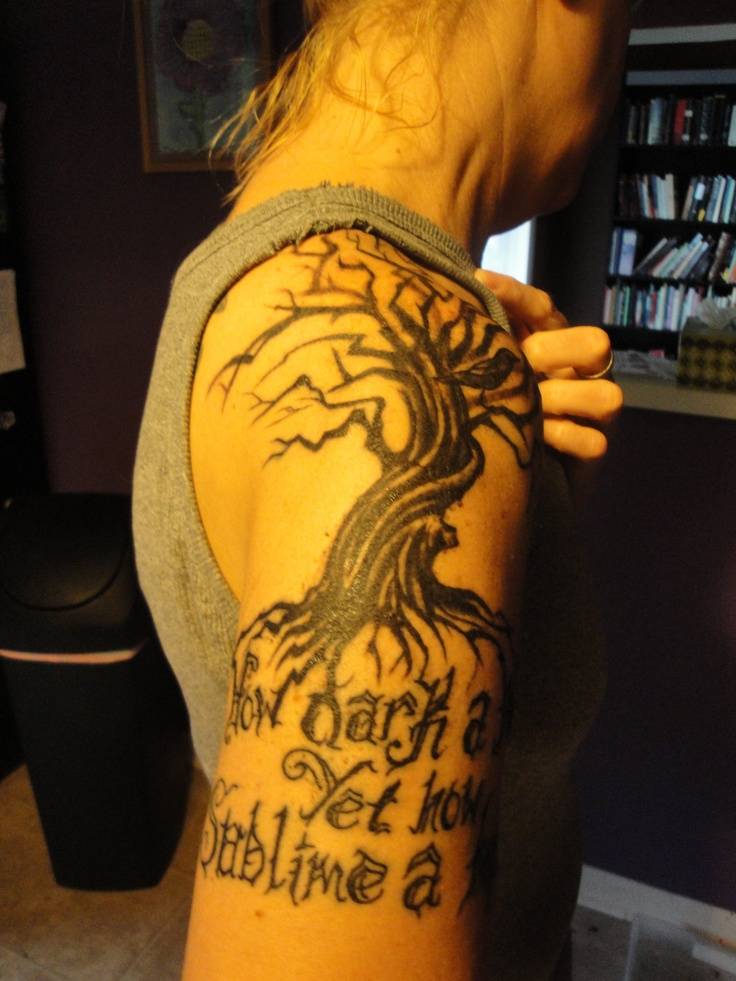
3. William Blake Quote + Tree
Incorporate lines like:
“I was angry with my foe…”
● Meaning: Emotional honesty vs. emotional suppression
● Why it stands out: Intellectual, poetic, deeply personal
● Style tip: Fine-line script wrapped around branches or roots
4. Minimalist Poison Tree with Hidden Text
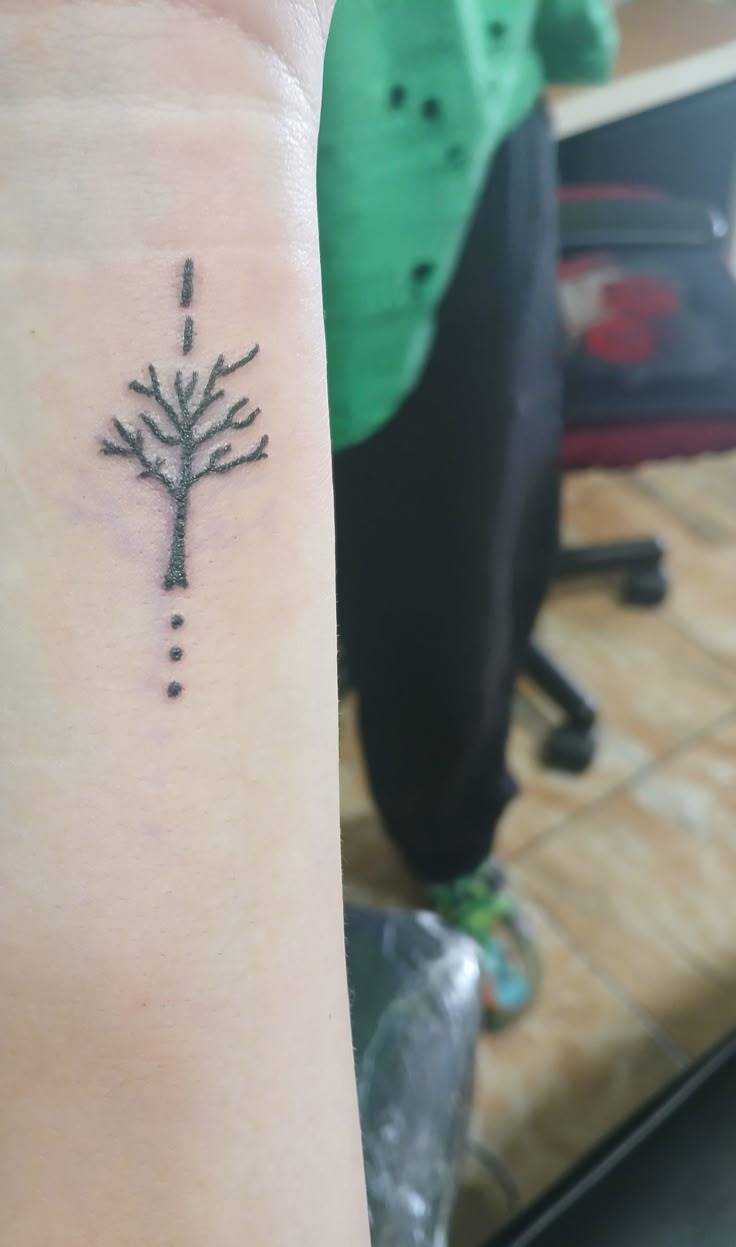
At first glance, it’s a simple tree — but closer inspection reveals words etched into bark or roots.
● Meaning: Pain hidden beneath calm appearances
● Perfect for: Subtle, story-driven tattoos
● Best placement: Inner forearm, side of the wrist
5. Poison Tree Growing from a Skull
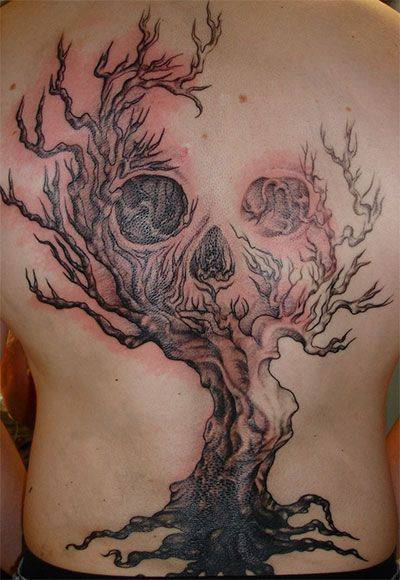
Roots erupt from a human skull buried in the ground.
● Meaning: Trauma shaping identity, death leading to growth
● Vibe: Bold, raw, unapologetic
● Best placement: Upper arm, chest, full forearm sleeve
6. Snake-Wrapped Poison Tree

A serpent coils through the branches or around the trunk.
● Meaning: Deception, temptation, emotional manipulation
● Visual impact: Dynamic movement and tension
● Extra detail: Use red eyes or forked tongue for contrast
7. Watercolor Poison Tree
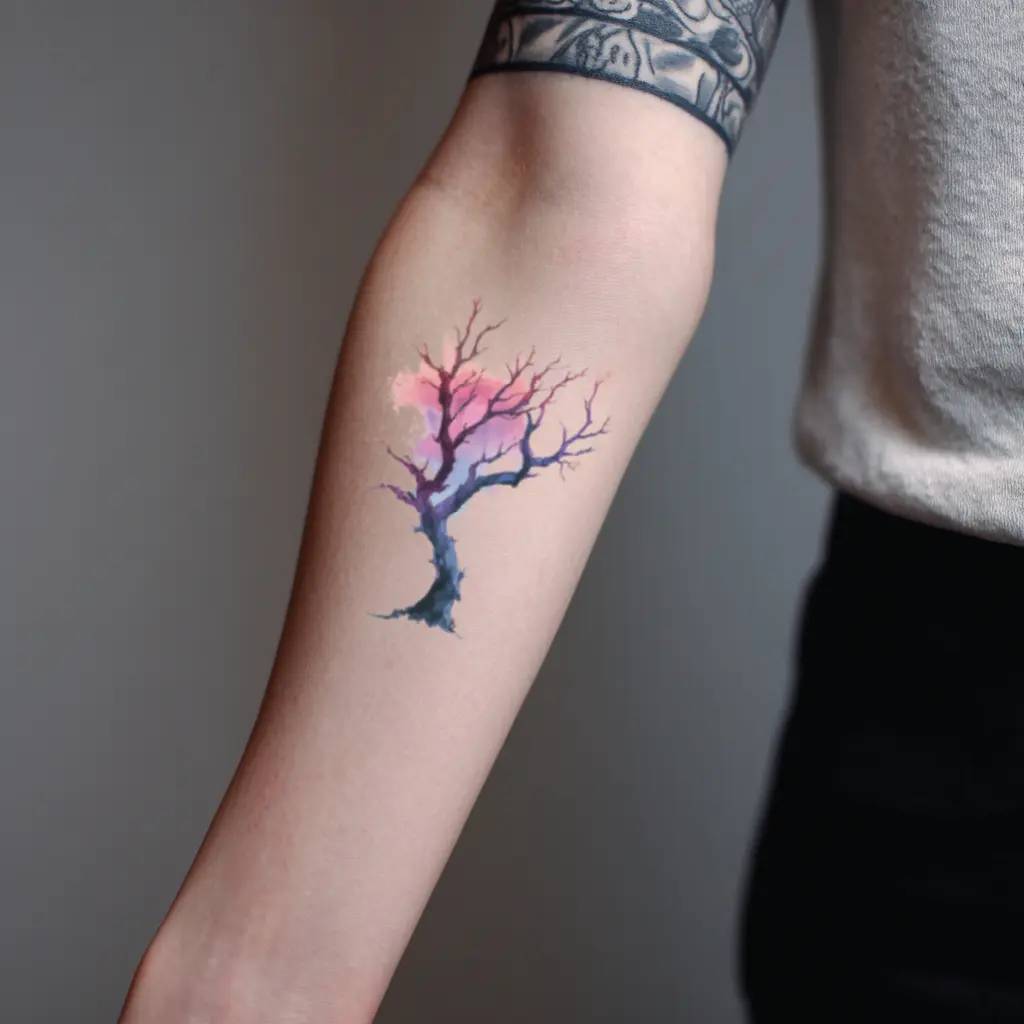
Splashes of dark purple, green, and black bleeding outward.
● Meaning: Emotions overflowing, uncontrolled feelings
● Why people love it: Artistic, emotional, unique every time
● Best placement: Forearm, shoulder, outer arm
8. Surreal Poison Tree
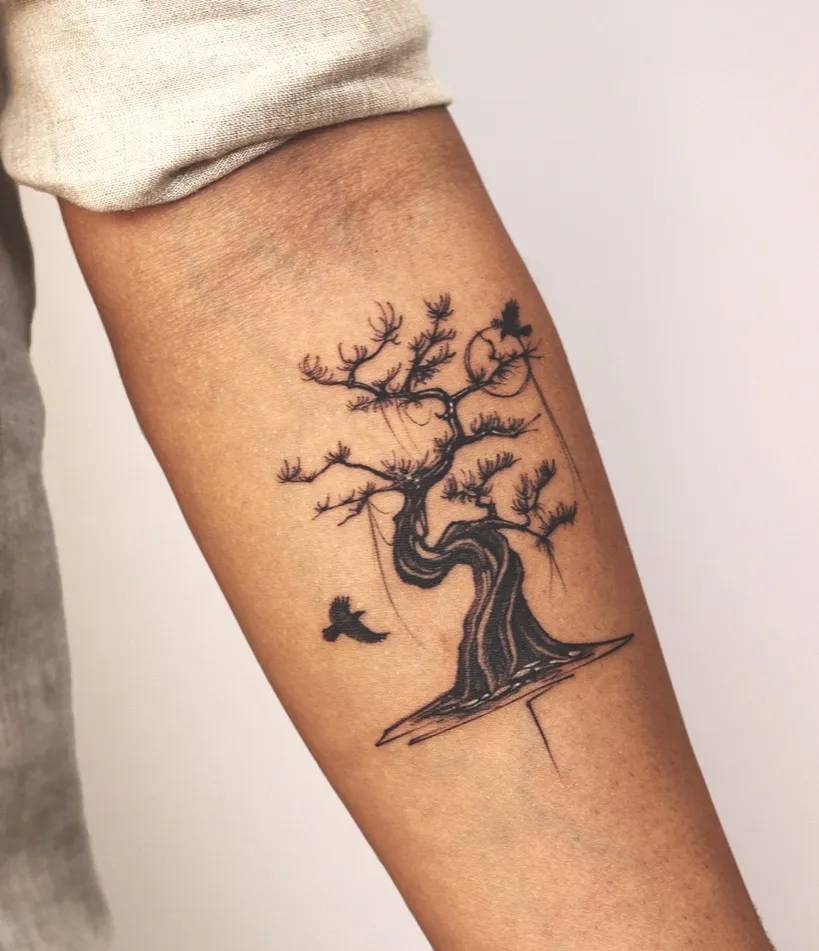
Floating roots, melting branches, or fruit turning into eyes.
● Meaning: Psychological depth, inner conflict, subconscious mind
● Perfect for: People who want a statement tattoo
● Artist tip: Choose someone skilled in surreal realism
9. Poison Tree with Exposed Roots
Roots spread wide and deep beneath the tree.
● Meaning: Facing past trauma, understanding emotional origins
● Design idea: Roots forming words, dates, or symbols
10. Half-Poison, Half-Healthy Tree
One side dark and twisted, the other alive and blooming.
● Meaning: Healing, growth, emotional transformation
● Why it’s powerful: Shows evolution, not just pain
● Best placement: Spine, full forearm, back piece
Conclusion
The Poison Tree tattoo is a profound example of body art that goes beyond design into meaningful expression. Born from Blake’s poetic metaphor, it has evolved into a symbolic language of emotion, transformation, and introspection. Whether worn as a reminder to face inner truth or as a celebration of personal growth, this tattoo speaks volumes without saying a single word.
Post Comment
Be the first to post comment!