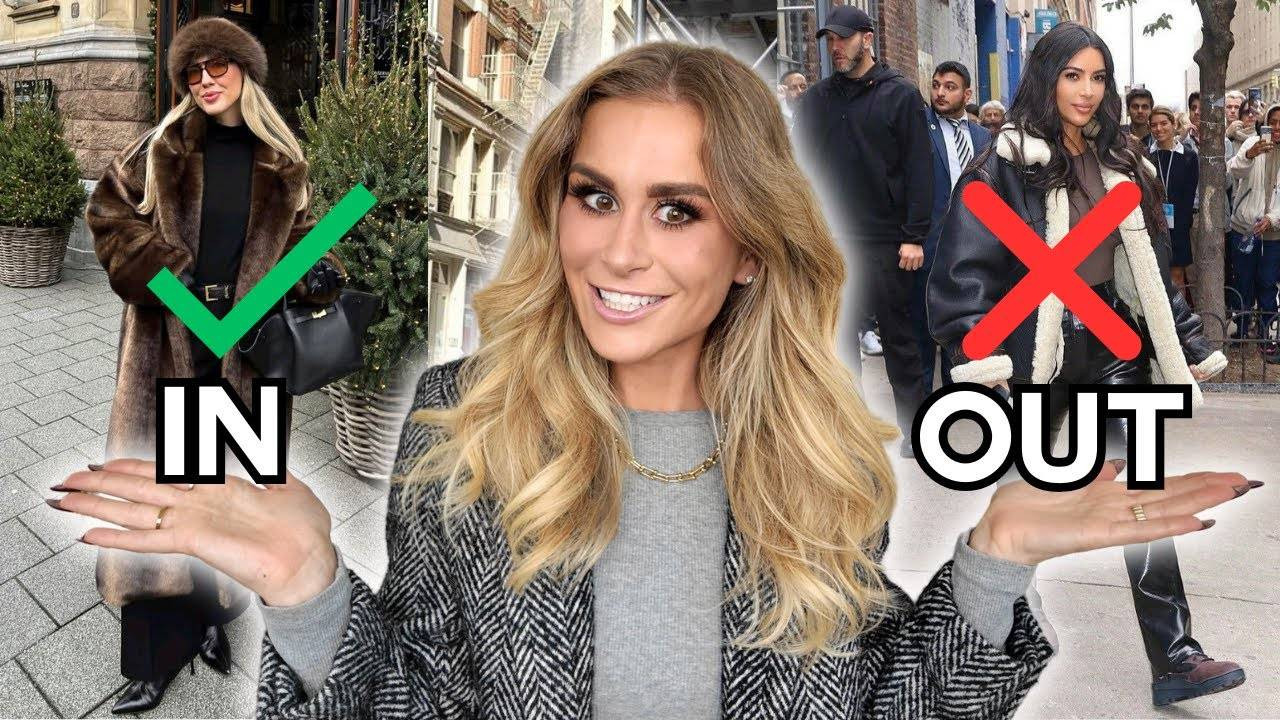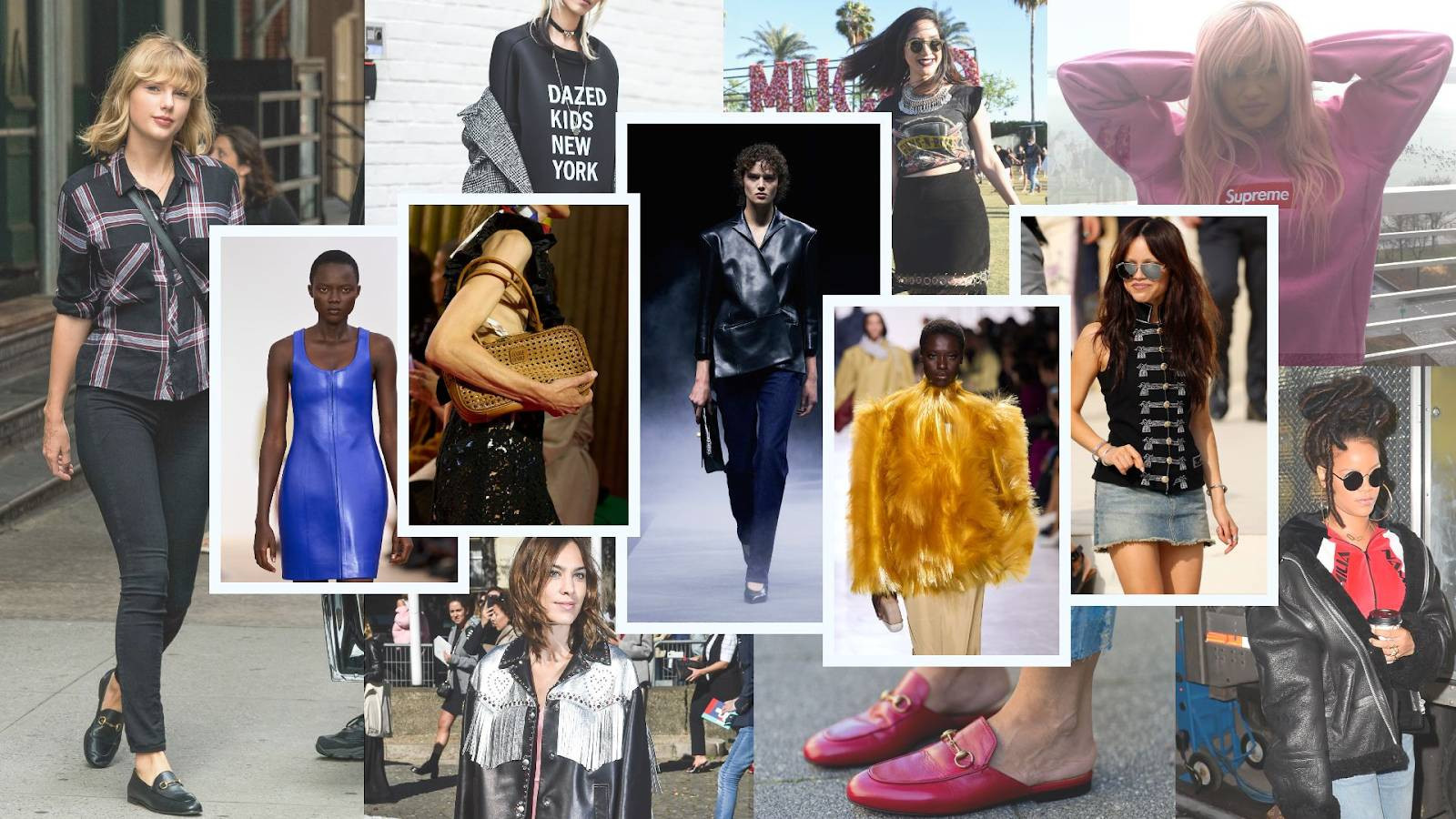
Fashion may thrive on change, but it also holds an uncanny knack for nostalgia. What’s “new” often turns out to be a beautifully reworked version of the past and as 2026 unfolds, we’re finding ourselves willingly embracing the trends that first made waves a decade ago in 2016.
But here’s the twist: they’re not coming back as they were. Instead, they’ve matured evolving from style experiments into daily essentials that reflect our current mindset of sustainability, versatility, and authenticity. The 2016 aesthetic was all about Instagram-ready outfits; the 2026 rendition is about individuality, wearability, and substance.
Let’s revisit the iconic looks of 2016 that are not only back but thriving in 2026, with new fabrics, proportions, and a whole lot of personality.
1. Slip Dresses as Everyday Uniforms
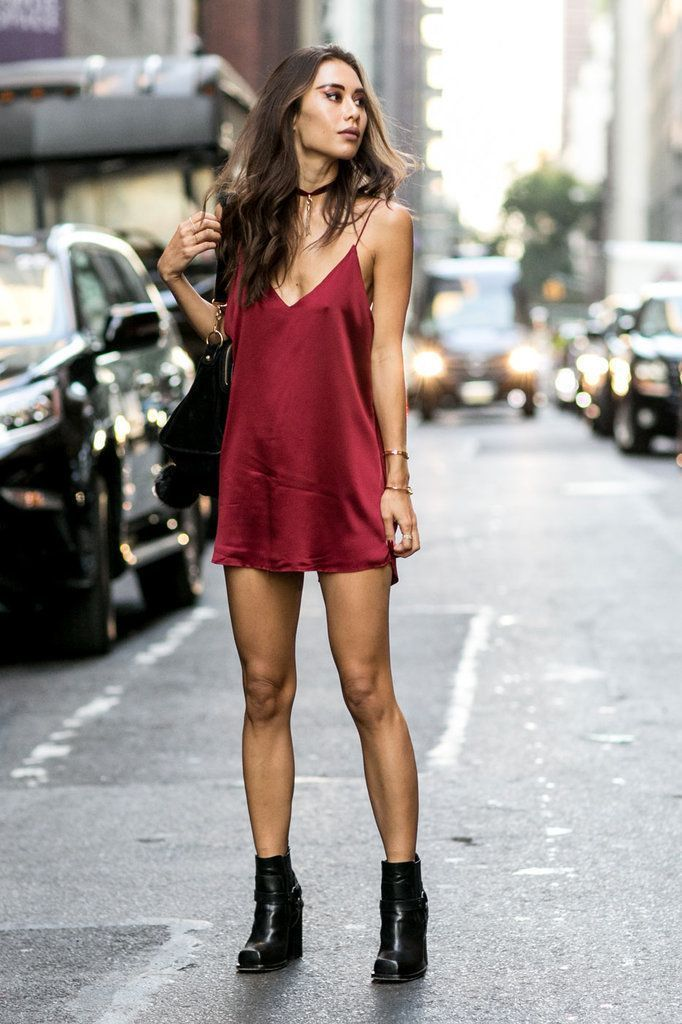
Back in 2016, slip dresses captured the easy, 90s-inspired minimalism that defined an era of understated sex appeal. They were often worn for date nights, parties, or red-carpet events. But in 2026, the slip dress has evolved into a wardrobe workhorse.
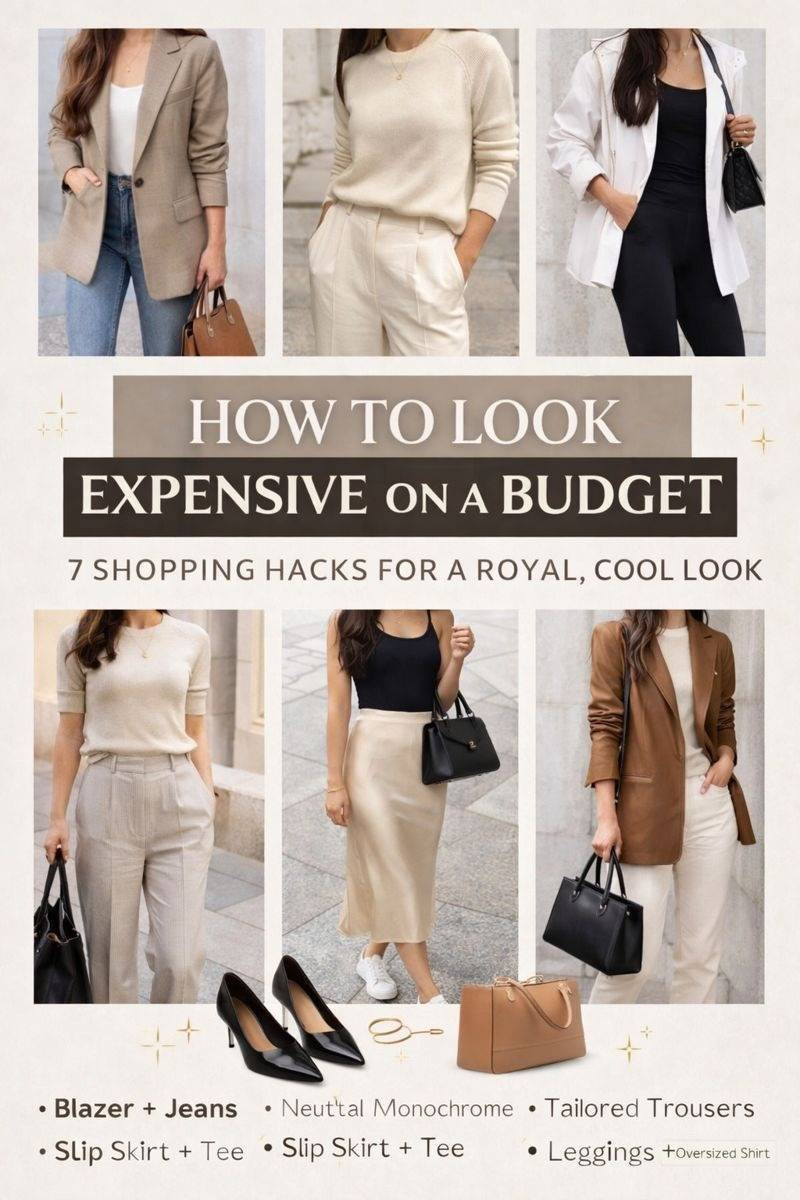
Designers today are leaning into texture experimentation: matte silks, ribbed satins, and eco-friendly cupro blends. Layering is key, slip dresses now pair beautifully with structured blazers or knit vests during the day, and transform effortlessly into eveningwear with a pair of heels and bold accessories.
Style notes for 2026:
● Layer a bias-cut slip over a fine turtleneck or lightweight tee.
● Opt for thicker fabrics for daytime elegance.
● Play with midi lengths and asymmetrical hems for a modern twist.
2. Straight-Leg Denim Over Statement Cuts
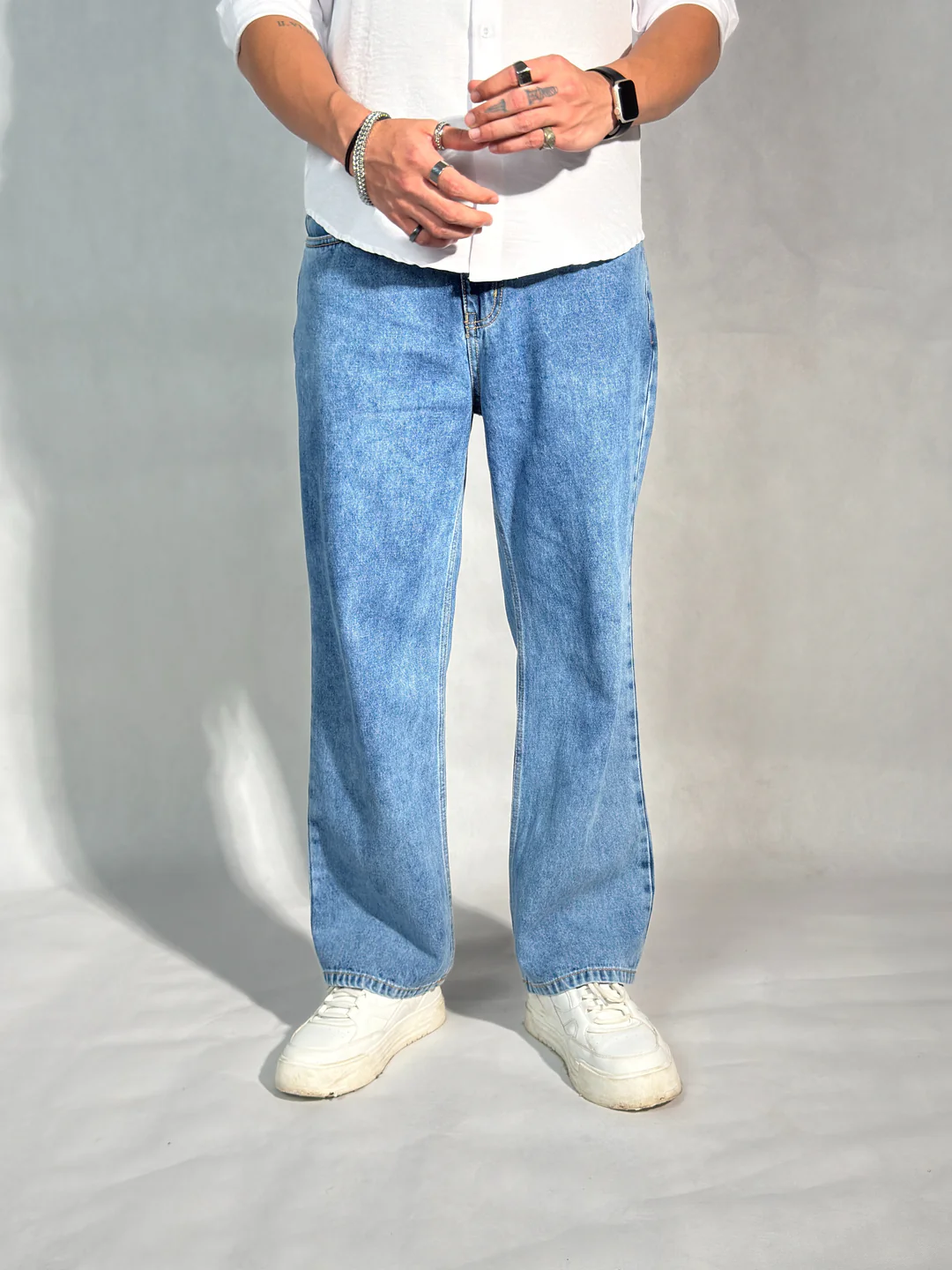
The fashion industry’s love affair with jeans never ends, it just changes shape. In 2016, straight-leg denim offered a breather from skinny jeans. In 2026, it’s become the denim standard.
Designers have dropped the overly distressed and patchwork trends in favor of clean, rigid, or mid-stretch denim with subtle fading. This silhouette looks mature yet relaxed and works seamlessly with everything from tailored blazers to cozy knits.
Key updates for 2026:
● Opt for mid-rise rather than low-rise cuts for a balanced proportion.
● Medium to dark washes win over bleached finishes.
● Pair with classic loafers, heritage sneakers, or heeled boots.
3. Minimalist Neutrals — But Warmer This Time
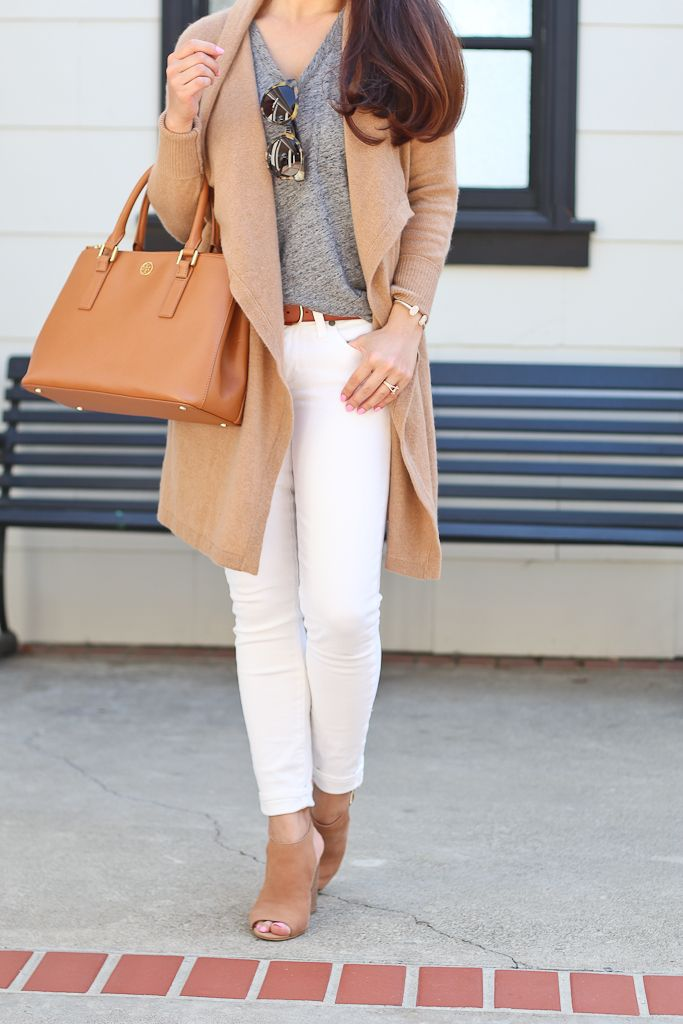
While 2016 minimalism leaned heavily on stark whites, cool greys, and charcoal blacks, the 2026 palette adds warmth and tactility. Think almond beige, honey sand, muted clay, and chocolate brown. The result is minimalist, but with heart and humanity.
This tonal evolution speaks to our changing relationship with fashion, the desire to feel grounded, cozy, and emotionally connected to what we wear.
Modern minimalist color palette:
● Warm neutrals like taupe, latte, and terracotta.
● Natural materials such as linen, wool, and bamboo blends.
● Monochrome layering that adds softness rather than stark contrast.
4. Oversized Outerwear With Real Proportions
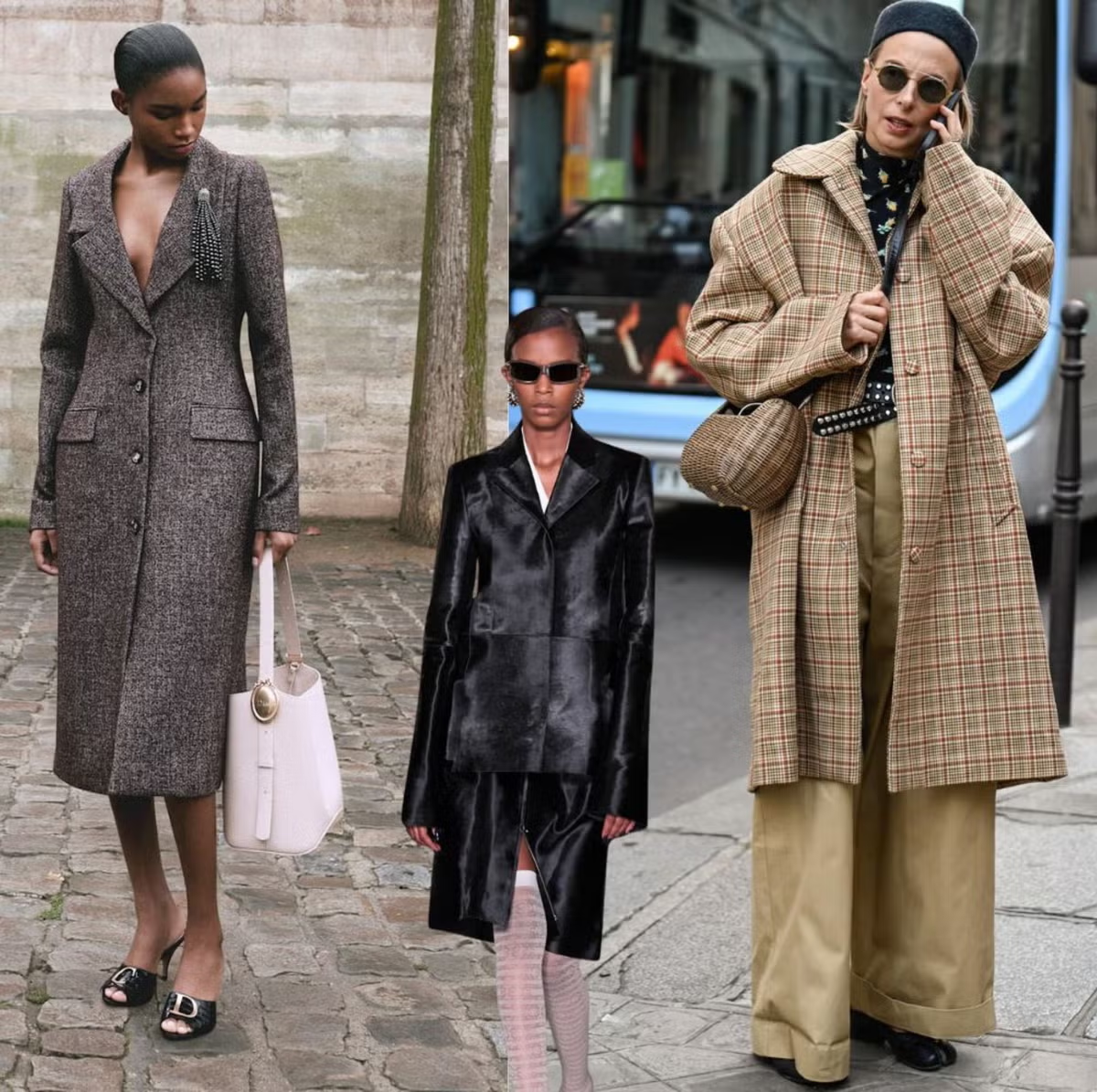
Oversized outerwear was a signature 2016 look, but back then, it often meant drowinng in exaggerated shapes. In 2026, the approach is smarter , roomy yet refined, structured yet fluid. Designers are playing with proportion science, ensuring volume doesn’t compromise shape or comfort.
Picture cocoon coats, cropped bombers, belted long-line trenches, and dropped-shoulder blazers that actually fit the body while still making a statement.
Outerwear essentials for 2026:
● Tailored shoulders and cinched waists to maintain balance.
● Puffy textures replaced by lightweight insulation layers.
● Oversized doesn’t mean baggy — it means well-constructed ease.
5. Athleisure That Actually Belongs Outside
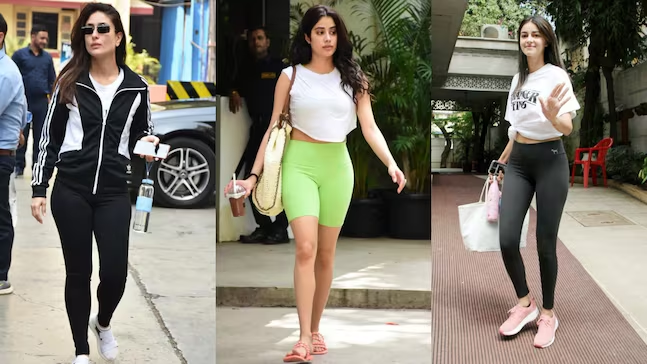
Athleisure became a buzzword in 2016 when leggings and track jackets crossed over from gym to streetwear. In 2026, the aesthetic has evolved, less “lazy-day” and more “functional chic.”
Fashion houses have embraced technical innovation: water-resistant joggers, thermoregulating crop tops, and minimalist sneakers designed for both movement and aesthetics. The boundaries between athletic and formal wear have officially blurred.
Where Athleisure Meets Real Life:
● Blazers over performance tops.
● Jogger-trouser hybrids for weekday wear.
● Lux materials like neoprene, stretch wool, and recycled nylon.
6. Leather as a Daily Texture, Not a Statement
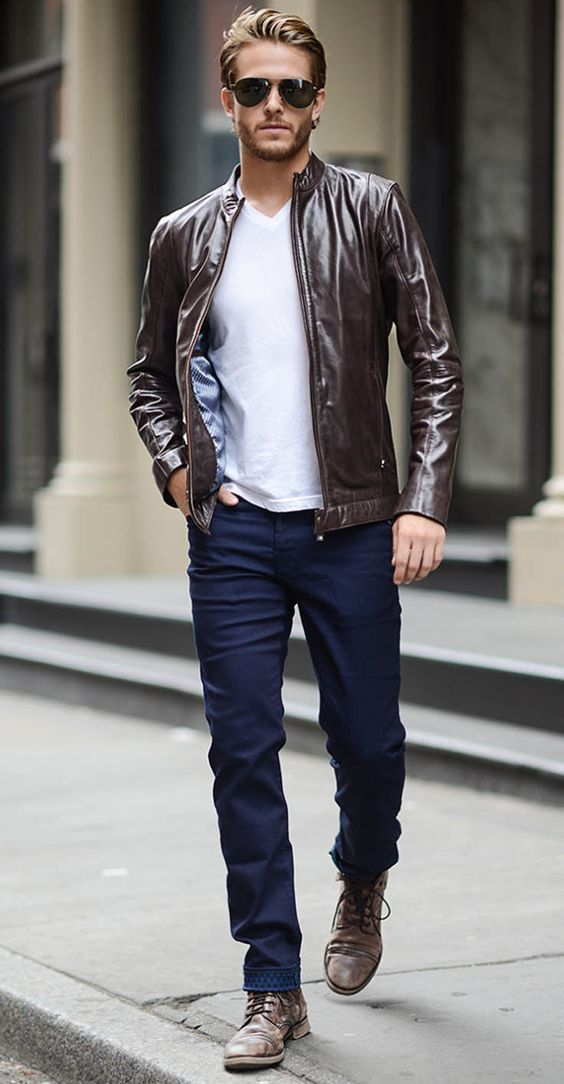
Once reserved for bold, rebellious style statements, leather is now part of everyday dressing. Instead of just jackets or pants, it appears in minimalist skirts, softly structured shirts, and tailored blazers with sustainability reimagining how it’s made.
Vegan leather innovations, mushroom leather, and recycled hide alternatives make leather more wearable (and ethical) than ever before.
How to work leather into your daily style:
● Try a leather skirt paired with oversized knitwear.
● Invest in colored or textured leather rather than classic black.
● Choose lighter weights and matte finishes for daywear.
7. Simple Silhouettes With Personal Styling
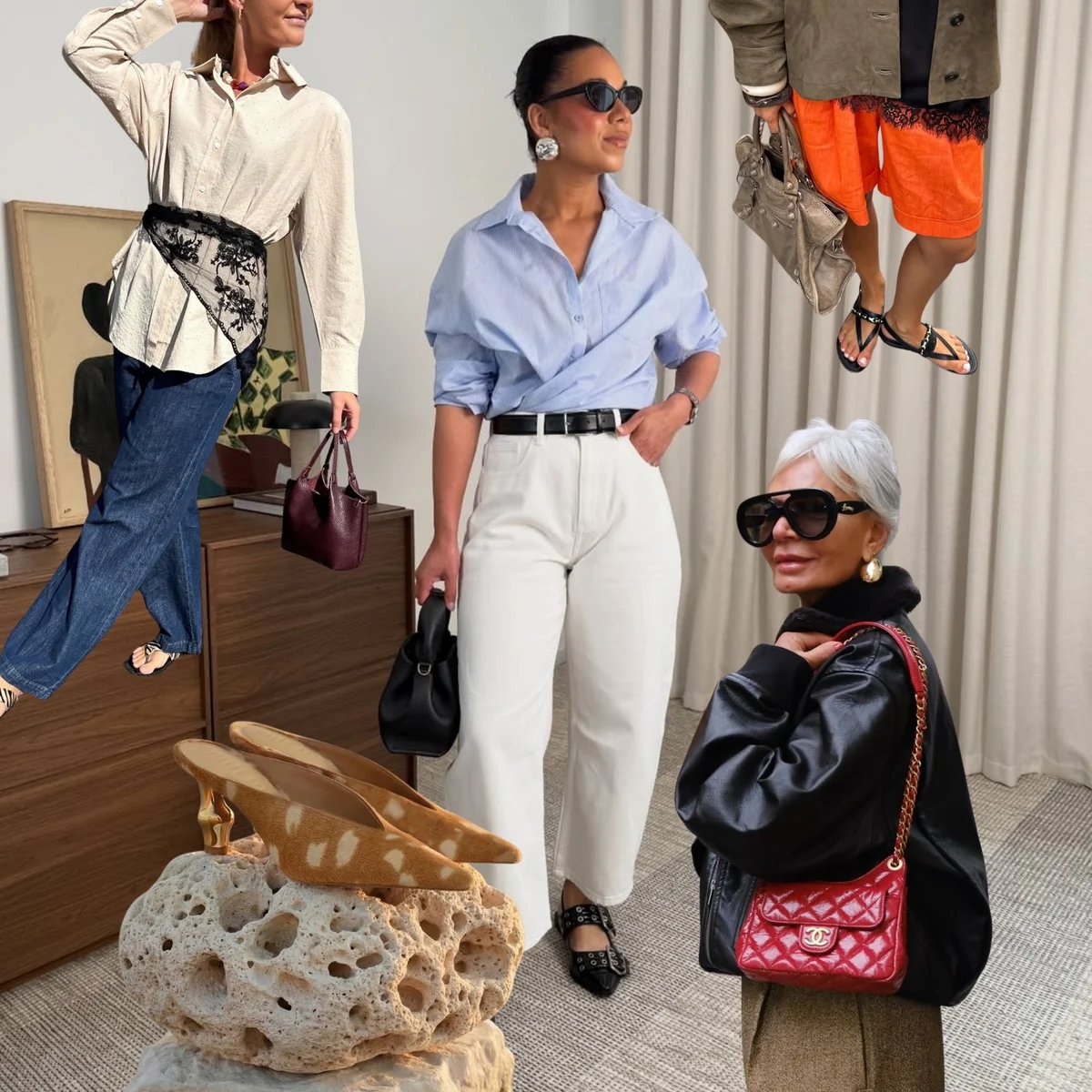
Gone are the days when fashion dictated how to wear something. 2026 celebrates self-expression, simple silhouettes paired with distinctive personal touches. The shift dress, straight-cut trouser, and cropped shirt all return but act as blank canvases for creativity.
Accessories, layering, and fabric combinations let individuality shine through rather than loud prints or fussy shapes.
Tips for personal styling:
● Start with neutral bases; build personality with statement pieces.
● Use vintage or handmade jewelry for a unique edge.
● Let fit and proportion speak louder than logos.
8. The Return of Classic Accessories
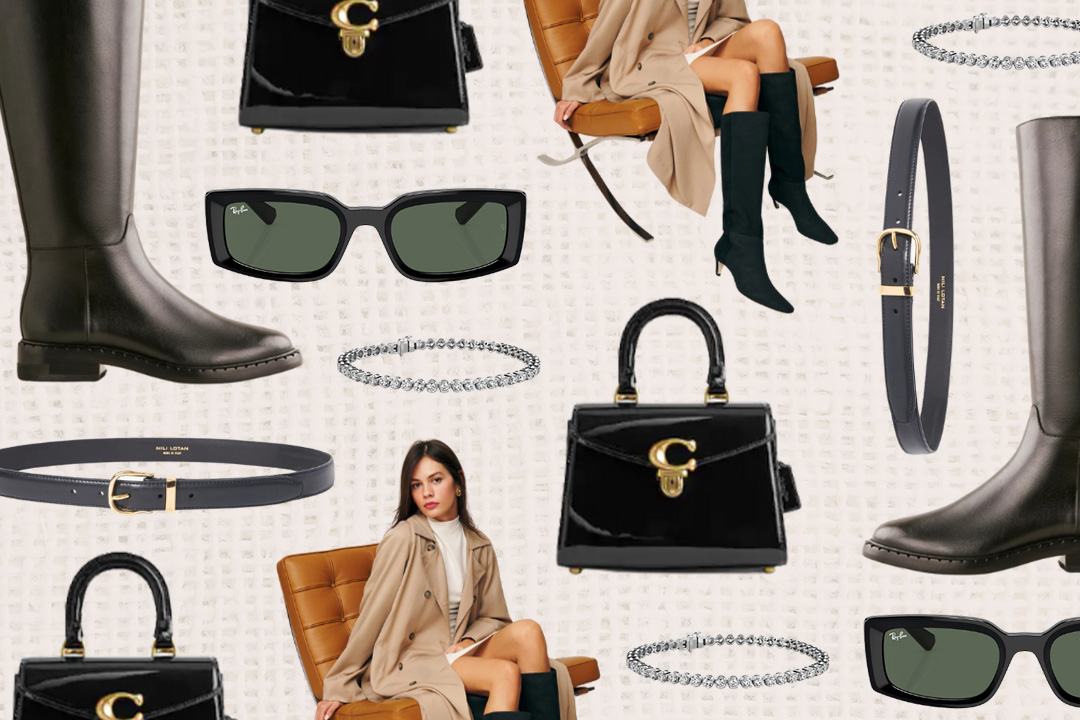
2016 championed irony in accessorizing like chokers, mirrored sunglasses, and mini backpacks ruled. Fast forward to 2026, and accessories have aged gracefully. The new era focuses on enduring craftsmanship: structured bags, heritage belts, sculptural earrings, and clean watches.
These accessories are investments, not novelties designed to last beyond seasons.
Accessory revival checklist:
● Structured bags in solid tones.
● Gold-toned jewelry with subtle textures.
● Oversized sunglasses with timeless shapes.
9. Retro Sneakers That Never Left
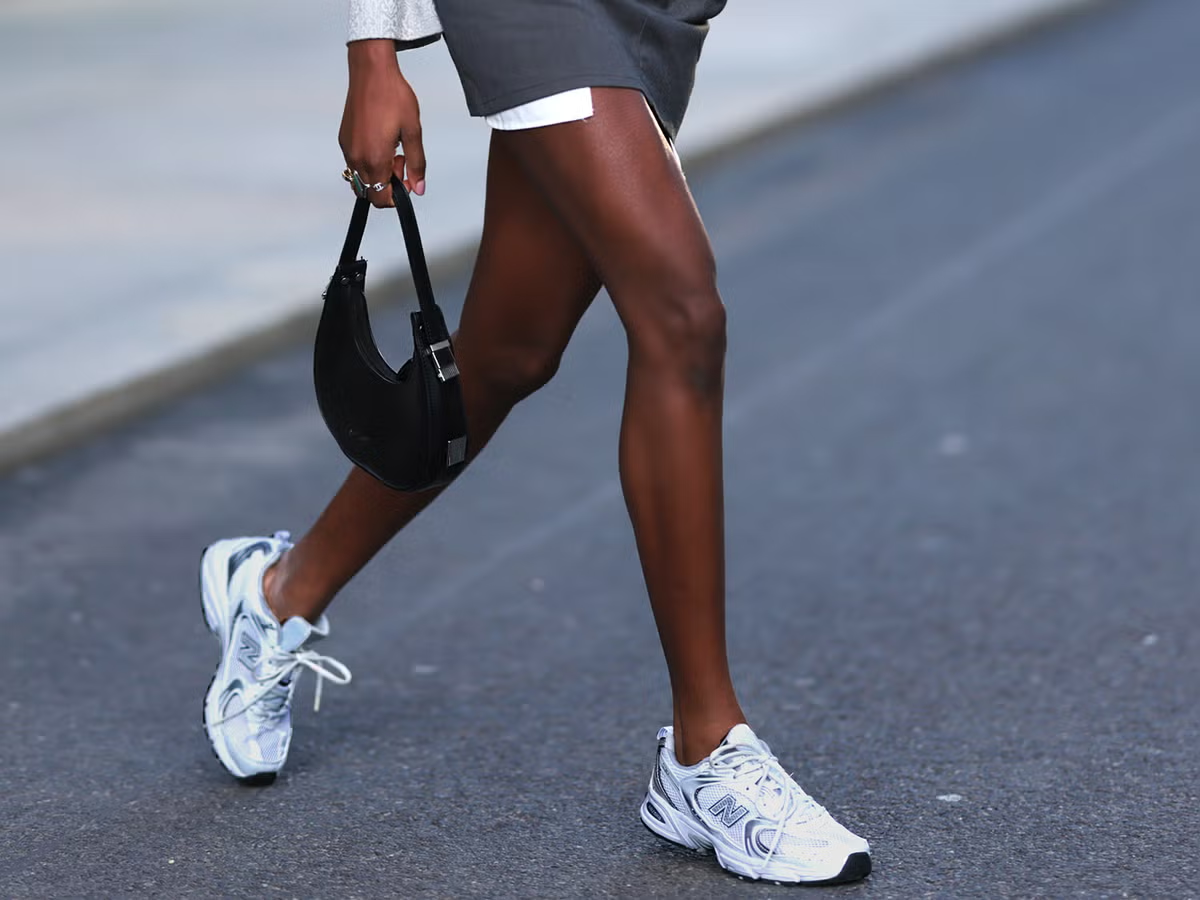
The sneaker wave that started in the mid-2010s never truly went away. Classics like Adidas Gazelles, Reebok Club C, and Nike Cortez are still going strong, now reissued in sustainable materials. Sneakers continue to bridge generations, styles, and comfort zones, taking the place of formal shoes in many wardrobes.
Trend takeaways:
● Retro silhouettes reimagined in vegan leather.
● Earthy color palettes over flashy tones.
● Pair sneakers with trousers, suits, and dresses alike.
10. Sustainable Luxury as Standard Practice
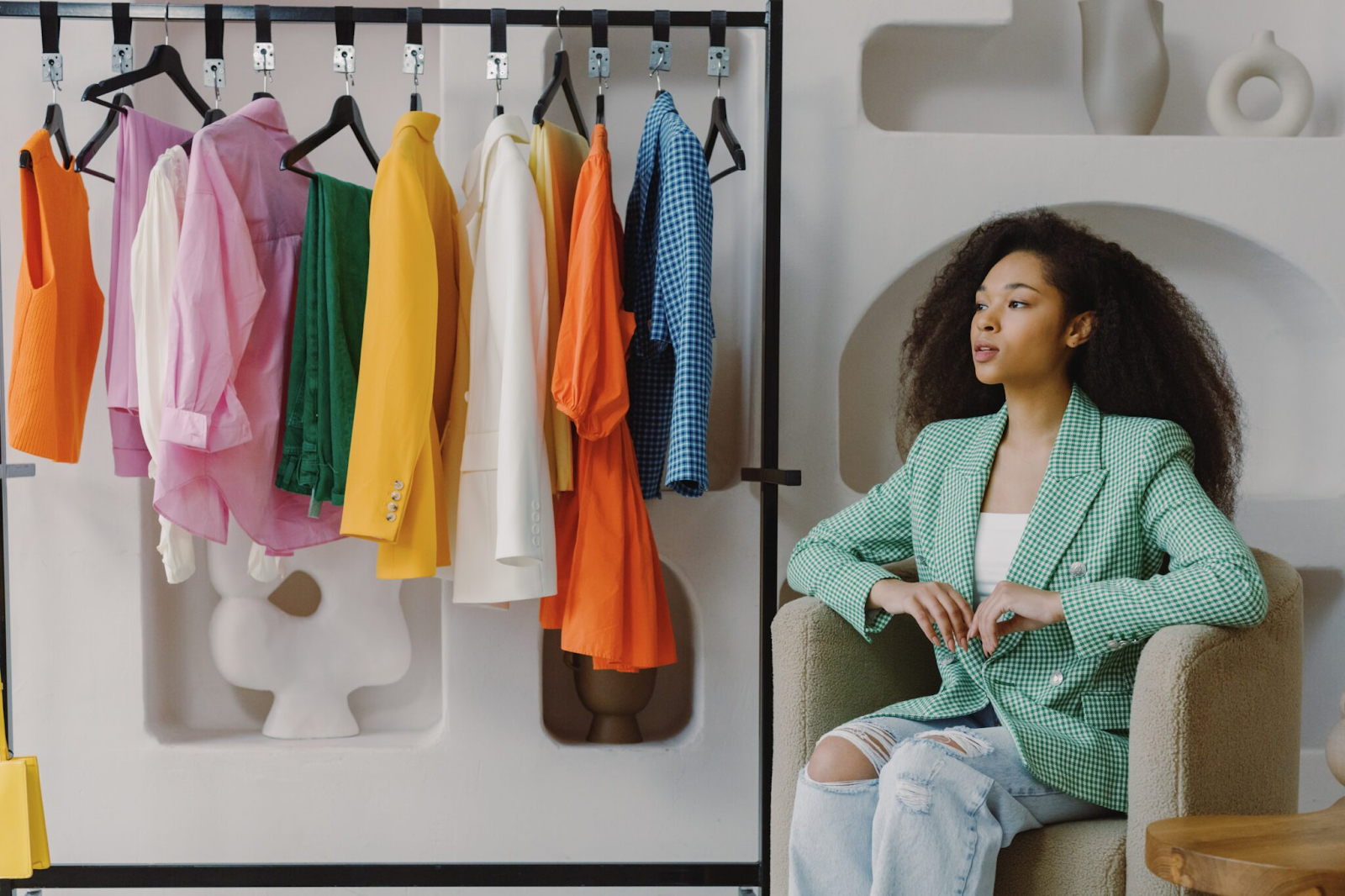
Perhaps the most meaningful comeback of all is a mindset shift. The whispers of sustainable fashion that began in 2016 have become the fashion foundation of 2026. Circular design, capsule wardrobes, and secondhand luxury define how we shop.
Brands invest in lifelong repair programs, while consumers prioritize transparency and resale value.
The principles of modern sustainable luxury:
● Buy less, choose better, and repair often.
● Seek traceable supply chains and eco certifications.
● Support brands that offer take-back or resell programs.
Why 2016 Makes Sense Again in 2026
2016 trends feel right at home in 2026 because they combine familiarity with practicality. Instead of chaotic micro‑trends, people want reliable pieces that can be worn on repeat and styled in multiple ways.
Key reasons this revival works:
● Fashion tends to recycle itself every 8–12 years, so 2016 is naturally back on the moodboard.
● Post‑pandemic wardrobes prioritise comfort, but people still want polish and structure.
● Gen Z is discovering 2010s fashion for the first time; millennials are re‑styling what they already own.
● Sustainability pushes us to re‑wear, restyle and revive older pieces instead of constantly buying new.
Final Thoughts
In 2026, these reimagined 2016 trends stand as proof that style evolution is not about reinvention — it’s about refinement. We’re re-embracing what felt authentic then and filtering it through a decade of social, environmental, and cultural growth.
The best part? You don’t need an entirely new wardrobe to be part of it. You only need to rediscover what you already love — this time, with meaning.
Post Comment
Be the first to post comment!