
Snowball Kiss Trend Explained: Cute Winter Kiss Or Something Else?
If you’ve seen people whispering about a “snowball kiss” on TikTok or Reddit and warning others not to Google it, you’re not alone. The phrase has become one of those viral internet terms that mixes curiosity, shock value, and a lot of confusion.
This article explains what “snowball kiss” means in internet slang, how TikTok reframed the term, why it’s controversial, and how to discuss it safely and responsibly online.

What Is a Snowball Kiss?
Snowball kiss (internet slang) originally refers to an explicit adult term that is considered NSFW, despite its innocent-sounding name. The phrase appears in online slang dictionaries and user-generated glossaries dating back to the early 2000s, long before TikTok introduced it to a younger audience.
Because of this history, digital-safety educators often warn that the term’s cute wording can be misleading. People searching it casually, especially teens, may encounter mature explanations they were not expecting.
While researching how the term is currently used, one thing becomes clear: most viral TikTok videos never explain the original meaning at all. The confusion usually shows up later in the comments, once viewers start searching for context elsewhere.
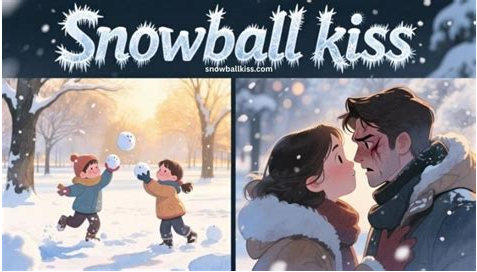
TikTok’s “Snowball Kiss” Trend Explained
On TikTok and other short-form platforms, creators have largely redefined “snowball kiss” into a playful, PG-13 couple challenge. In these videos, partners typically pass:
- Ice cubes
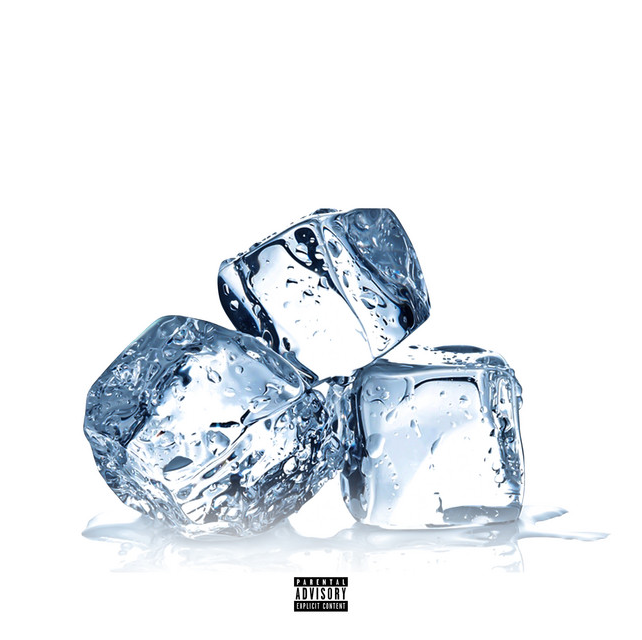
- A sip of a cold drink
- Slushies or frozen treats
The emphasis is on reactions, surprise, and “cute couple” energy, not explicit content.
Because TikTok has strict community guidelines around adult material, the most popular “snowball kiss TikTok” clips focus on humor and aesthetics. However, the platform’s algorithm can expose viewers to the phrase without any explanation, leading them to search for it later and discover the original adult meaning elsewhere.
Softer and Rebranded Meanings You’ll See Online
As the term spread beyond its NSFW roots, some bloggers and lifestyle creators began using safer reinterpretations to keep their content brand-friendly. Common softer definitions include:
- A kiss that starts gently and gradually intensifies, like a snowball gaining momentum
- A playful cold-sensation kiss involving ice, meant to surprise a partner
- A romantic or affectionate winter-themed kiss, using “snowball” as seasonal imagery
These rebrands show how internet language evolves. When slang clashes with platform rules or audience expectations, communities often reshape it into something more acceptable.
Why the Phrase Is Controversial
The controversy around the “snowball kiss” usually comes from three issues:
1. Innocent-sounding name
The phrase sounds harmless, which can unintentionally expose younger users to mature explanations when they search for it.
2. NSFW origins vs. viral trends
There’s a disconnect between the explicit slang definition and TikTok’s sanitized “ice transfer” version, creating confusion for parents, teens, and educators.
3. Consent and boundaries
Any activity involving bodily fluids raises questions about hygiene, health, and consent topics that are rarely addressed in meme culture or short-form videos.
Because of this, safety experts often recommend using clearer alternatives like “playful ice kiss,” “romantic winter kiss,” or “couple ice challenge” in public or youth-facing content.
Why People React So Strongly to the Term
This is where the discomfort comes in.
Older slang definitions still exist online, and many users, especially younger ones, stumble onto explanations they didn’t expect. That’s why comment sections are full of reactions like:
“This isn’t what I thought 😭”
“Why did I Google this?”
“TikTok ruined this word.”
The TikTok trend itself is generally harmless.
The search results are not always filtered the same way.
How to Talk About “Snowball Kiss” Safely Online
- If you’re writing or posting about a snowball kiss, you can stay responsible and SEO-friendly by:
- Clearly noting that the original meaning is NSFW and not suitable for minors
- Explaining that TikTok’s trend usually refers to ice or cold-drink transfer, not explicit acts
- Emphasizing consent, comfort, and boundaries, even at a high level
Suggesting safer alternative phrases for creators who want the aesthetic without the explicit label
For parents and educators, this term can also be a useful entry point to discuss how harmless-sounding slang online may carry mature meanings and why critical thinking and safe search habits matter.
Health Concerns: Is It Risky?
Medically speaking, a snowball kiss carries the same basic risks as normal kissing:
- Sharing oral bacteria
- Cold sores if one person is infected
- Minor discomfort from cold exposure
- Nothing dramatic. Just don’t try it when someone’s sick.
The Biggest Misconceptions
Let’s clear these up:
❌ “It’s always sexual” → No
❌ “It’s unsafe” → No
❌ “People do this in real life regularly” → No
Most misunderstandings come from mixed definitions online, not the trend itself.
Final Thought: Context Is Everything
The snowball kiss is a perfect example of how the internet reshapes language.
One phrase.
Two meanings.
Endless confusion.
For most people today, especially those who found it through TikTok, it’s nothing more than a playful, reaction-based challenge. Not explicit. Not serious. Not a hidden signal.
And now that you know the difference?
You can scroll past the comments…
without wondering whether you should have Googled it—or not. ❄️😄
Post Comment
Be the first to post comment!