Why “Kelly Baltazar Mayli” Became a Viral Search Term in 2026
If you’ve been seeing the name Kelly Baltazar Mayli pop up on TikTok threads, Reddit gossip, or “mystery girl” blogs and wondered who she is, you’re not alone. The phrase now sits at the intersection of internet scandal, true‑crime curiosity, and modern digital privacy debates.
This blog breaks down what’s publicly known, why the name is suddenly everywhere in 2025, and the bigger SEO and societal trends driving all that search interest without reviewing or promoting any adult content.
How is Kelly Baltazar (aka Mayli) described online?

Publicly available write‑ups describe Kelly Jiayi (Christina) Baltazar as a Los‑Angeles‑born “rich kid” linked to banking wealth, internet scandals, and a very short‑lived stint in adult entertainment under the alias “Mayli” or “Mayli Amelia Wang”.
According to multiple biographical blogs, she is often framed as:
A Georgetown University freshman who was arrested in 2018 in a dorm room drug case involving marijuana and alleged intent to distribute, followed by a deferred prosecution agreement and community service.
A former “web‑based comedian” and prolific Wikipedia contributor who later disappeared from mainstream platforms, fueling “where is she now?” speculation in 2024–2025.
These narratives combine wealth, rebellion, legal trouble, and a post‑scandal “reinvention arc”, which is exactly the kind of story format that tends to go viral.
Why “Mayli” Became An SEO Magnet
The “Mayli” part of the query, often searched as “Kelly Baltazar Mayli” or “Kelly Baltazar Mayli Wang,” connects her to adult content platforms and archived search pages that still reference her alias.
Several 2024–2025 explainer blogs outline the same broad storyline:
At 18, she briefly entered the adult industry under the stage name “Mayli”, with some sites also linking “Amelia Wang” and “Kelly Jiayi Wang” as alternative identities.
Her father allegedly spent significant resources trying to scrub videos and references from mainstream platforms, creating the classic “Streisand effect”, where attempts to erase content make it more interesting and more searchable.
As a result, the compound keyword “Kelly Baltazar Mayli” now sits inside:
- Search pages on multiple tube sites that still index her name or alias in query results.
- Gossip and culture pieces that pick up the story as a cautionary tale about privilege, online permanence, and adult work.
- It’s a textbook case of how a single scandal can permanently fuse a real name and a stage name into one hyper‑searched entity.
The Georgetown Case & Public Perception
News reports and later long‑form blogs agree on a few key facts about the Georgetown incident.
- A student named Kelly Baltazar was arrested on November 6, 2018, in a Georgetown dorm for possession of marijuana (around 17g) with intent to distribute, with paraphernalia also mentioned in coverage.
- She pleaded not guilty but entered a deferred prosecution agreement, completed community service, stayed out of further legal trouble, and ultimately avoided a formal conviction.
Commentary pieces frame the public reaction in three main ways:
- As an example of how “rich kids” receive more forgiving outcomes in the U.S. justice system, especially in drug cases.
- As a story about a young woman being forever tagged online by a single early‑life mistake, regardless of legal resolution.
- As part of a larger arc that also involves adult work, an attempted content scrub, and later withdrawal from public life.
- This mix of legal drama, inequality debates, and adult‑industry stigma is exactly why the narrative keeps resurfacing in social conversations.
Reinvention, Privacy, And “Where Is She Now?”
Recent long‑form pieces portray Kelly’s later years less as tabloid fodder and more as a story of retreat, recovery, and controlled re‑entry.
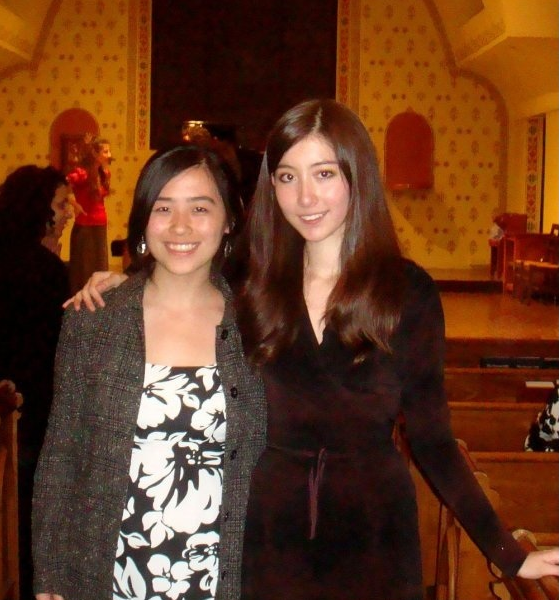
Common themes across these articles include:
- Withdrawal from public life: A deliberate step back from social media, major name changes, and even altering appearance and location to escape relentless online scrutiny.
- Focus on work behind the scenes: Mentions of renewed involvement with journalism or media in more responsible, research‑driven roles, plus continued contributions to platforms like Wikipedia under less traceable handles.
- Some pieces also highlight her father’s death in 2020 (reportedly from COVID‑19) as a turning point that shifted both financial support dynamics and public narrative around her story.
The result is a modern “disappearing act”: she is talked about constantly, but updated, verifiable information about her current life is deliberately scarce. That scarcity is itself part of what keeps search interest high.
What “Kelly Baltazar Mayli” Reveals About Internet Culture
The ongoing fascination with “Kelly Baltazar Mayli” says as much about online audiences as it does about one person’s life. Observers often point to these broader implications:
- Digital permanence vs. second chances: Once your real name and a controversial alias get connected in search, that link is incredibly hard to break, even with lawyers and money.
- The economics of scandal: From gossip blogs to adult search pages, many sites profit directly from her name as a keyword, incentivizing constant recycling of the same facts and rumors.
- Gender, power, and control: Commentary frequently notes how a young woman’s sexuality and mistakes become lifelong branding, while male figures involved (from platforms to buyers) remain largely invisible in the narrative.
Post Comment
Be the first to post comment!