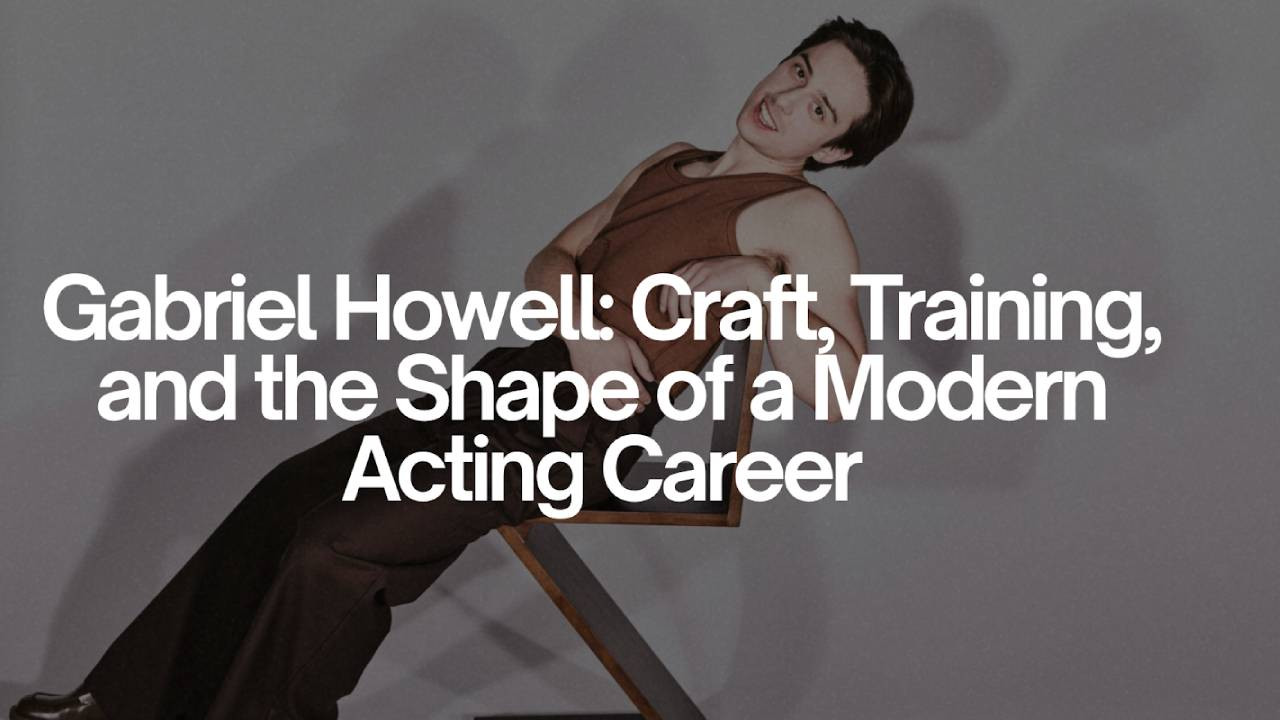
Gabriel Howell: Craft, Training, and the Shape of a Modern Acting Career
Gabriel Howell’s career makes more sense when viewed as a process rather than a breakout moment. While recent visibility from projects like Bodies and How to Train Your Dragon has widened his audience, the through-line is not sudden success. It is training, accumulation of craft, and a steady movement from controlled environments into larger, more exposed ones.
This article looks at Gabriel Howell not as a rising celebrity, but as a working British actor shaped by drama school discipline, early theatre credibility, and a screen career that reflects how contemporary casting operates in the streaming era.
Early life and the instinct to make things
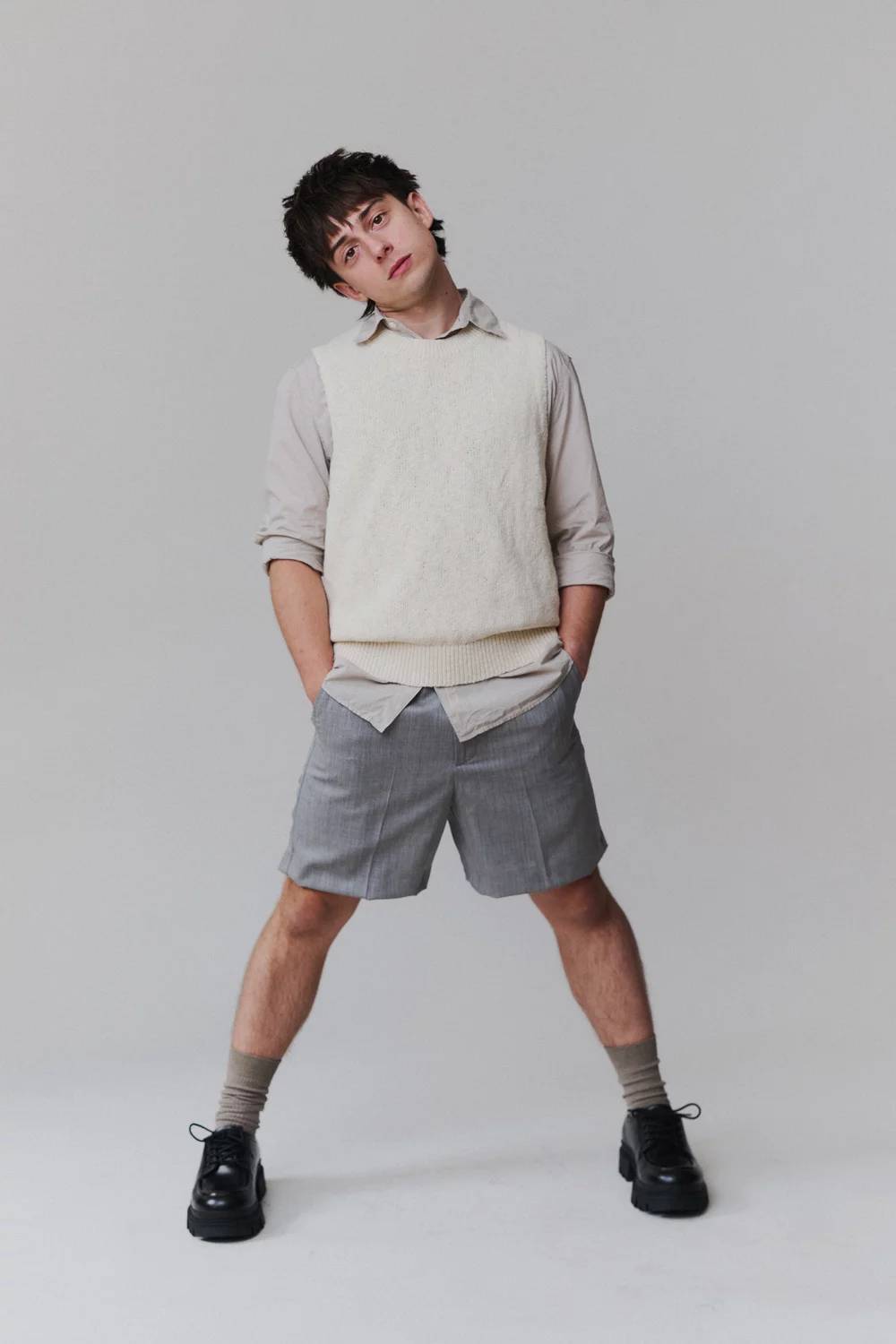
Gabriel Howell was born on 19 February 1999 in Hong Kong, before growing up primarily in the UK. His early relationship with performance did not begin on stage but behind a camera. As a child, he made short films using a camcorder, often roping in his younger brother as an unwilling co-star. These projects were not polished, but they mattered. They established an early comfort with storytelling, framing, and repetition.
A supportive teacher later introduced him to drama school as a real option. Howell’s approach to applying to the Royal Academy of Dramatic Art was pragmatic rather than romantic. If places existed, someone had to fill them. That mindset, half belief and half stubborn logic, carried him through auditions and into one of the UK’s most competitive acting institutions.
Training at RADA and the value of pressure
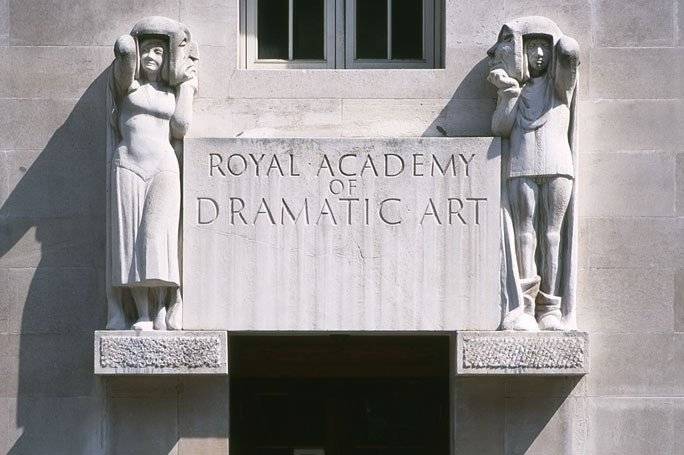
Gabriel Howell trained at RADA, graduating in 2021. The environment is designed to strip away certainty. Students are pushed into uncomfortable exercises, emotionally exposed scenes, and sustained critique. Howell has spoken about moments that clarified his commitment, including a Chekhov exercise that ended with a tomato thrown at his face mid-scene. The humiliation mattered less than the realization that he wanted to stay.
The pandemic disrupted his final years of training, as it did for an entire generation of actors. That interruption forced distance. Time away from constant rehearsal clarified whether acting was habit or necessity. For Howell, it reinforced that the work itself mattered more than momentum.
RADA did not produce a finished screen actor. It produced a toolkit: voice control, physical awareness, ensemble discipline, and the ability to sustain character under pressure. Those skills become visible later, particularly in roles that require restraint rather than spectacle.
Theatre as credibility, not nostalgia
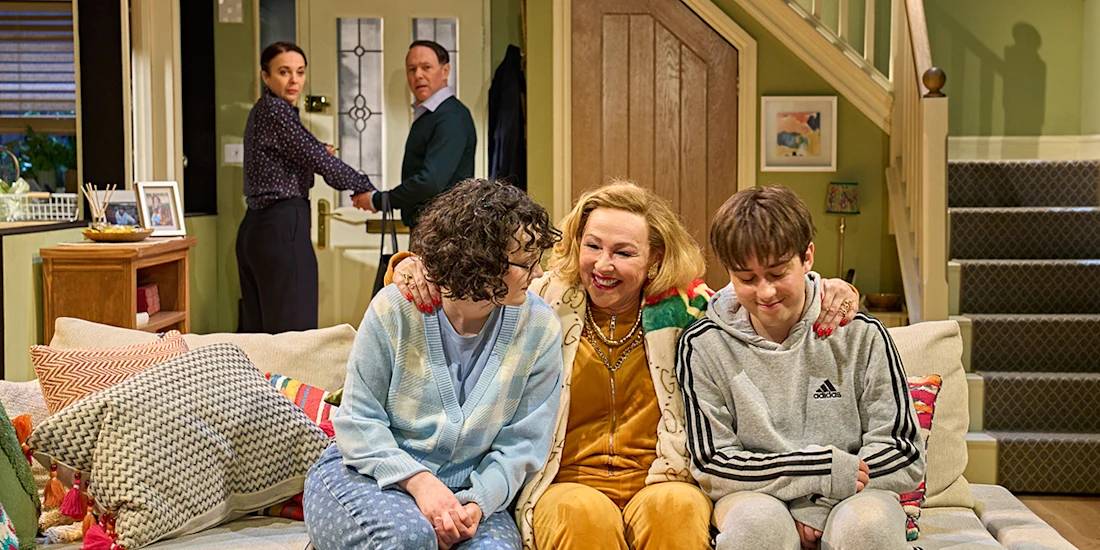
Howell’s professional stage debut came with Steven Moffat’s The Unfriend in 2022 at Chichester’s Minerva Theatre, directed by Mark Gatiss. The production later transferred to London’s West End. Reviews singled out Howell’s performance as a remarkably assured debut, not because it was flashy, but because it held its place within a strong ensemble.
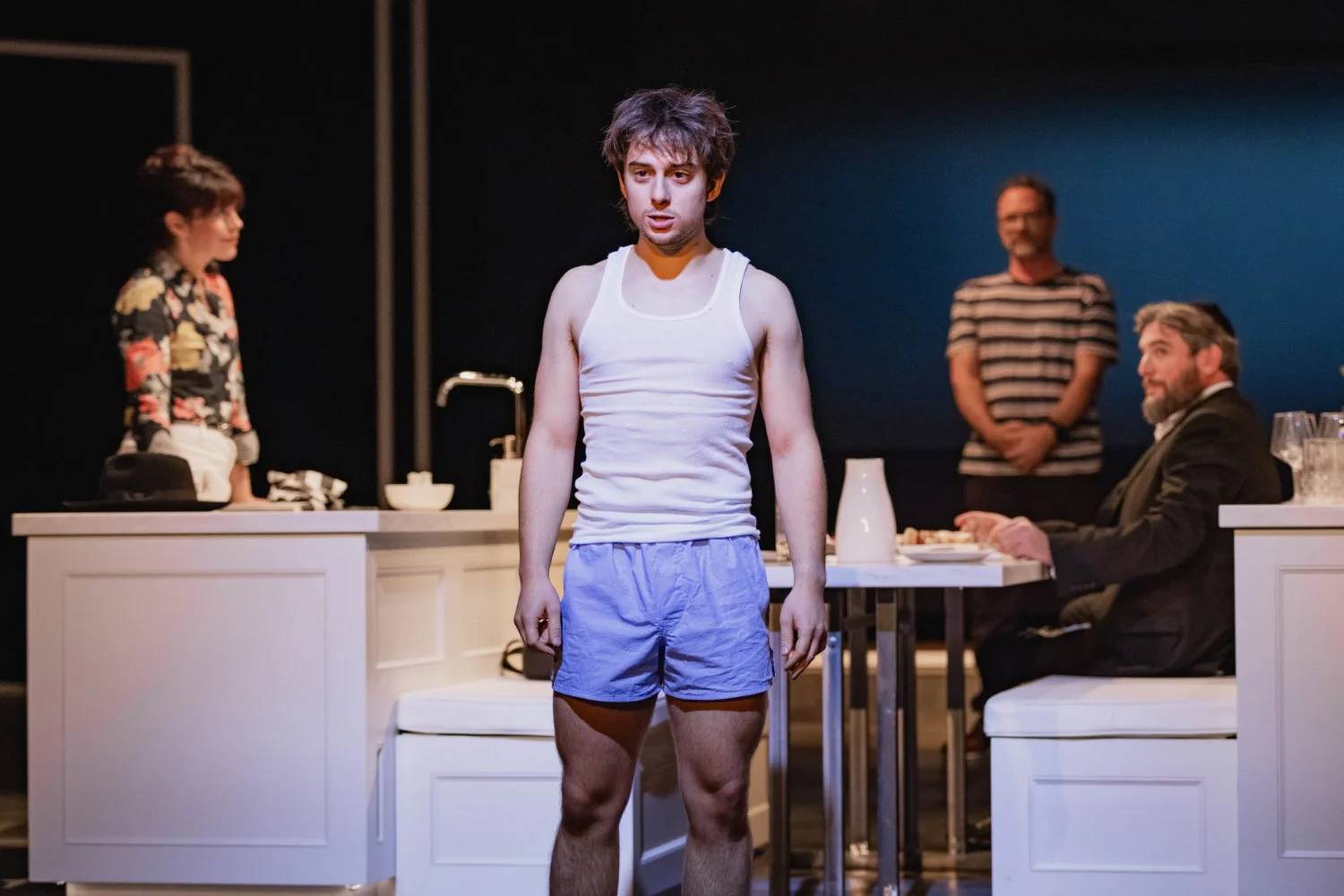
In 2024, he appeared in What We Talk About When We Talk About Anne Frank at Theatre Royal, Marylebone, directed by Patrick Marber. The material demanded precision, timing, and moral tension rather than charisma. These choices positioned Howell as an actor comfortable doing the work without headline billing.
Theatre, in this phase, functioned as proof of seriousness. It signaled to casting directors that he could handle text, pressure, and repetition, which quietly supports later screen opportunities.
Early screen work and the shift to television
Howell’s first screen appearances were in short films such as Sketching Dragons and the feature The Fence in 2022. These projects placed him in grounded, often emotionally raw settings, far removed from spectacle.
The turning point came with Netflix’s Bodies in 2023, where Howell played Elias Mannix at age fifteen, a younger version of a central antagonist. The role required vulnerability without sentimentality. He carried long stretches of screen time alone, portraying confusion, fear, and moral fracture without overt explanation.
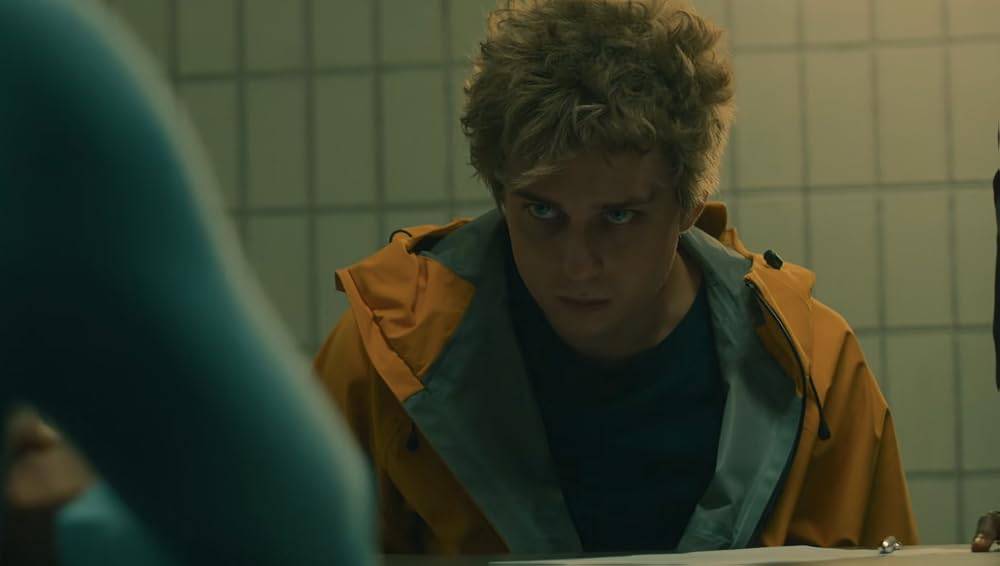
What made the performance effective was restraint. The character did not telegraph future darkness. He existed as a damaged teenager in real time. That ability to suggest rather than declare is often what separates trained actors from purely instinctive ones.
Consolidation with Nightsleeper
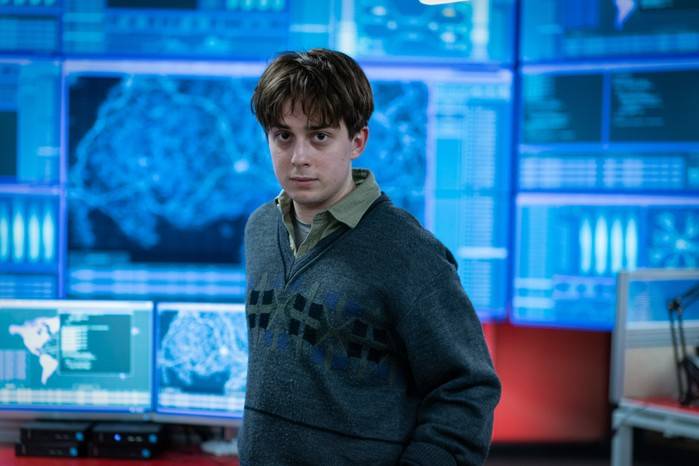
In BBC One’s Nightsleeper (2024), Howell played Tobi McKnight, a technically skilled but socially contained character within a fast-moving thriller. The role did not dominate the series, but it added texture. His performance grounded abstract technological stakes in human behavior.
This stage of his career reflects a common pattern. Actors accumulate trust roles, not headline ones. They appear reliably, hit their marks, and deepen scenes without pulling focus. That reliability often leads to larger visibility later.
How to Train Your Dragon and scale change
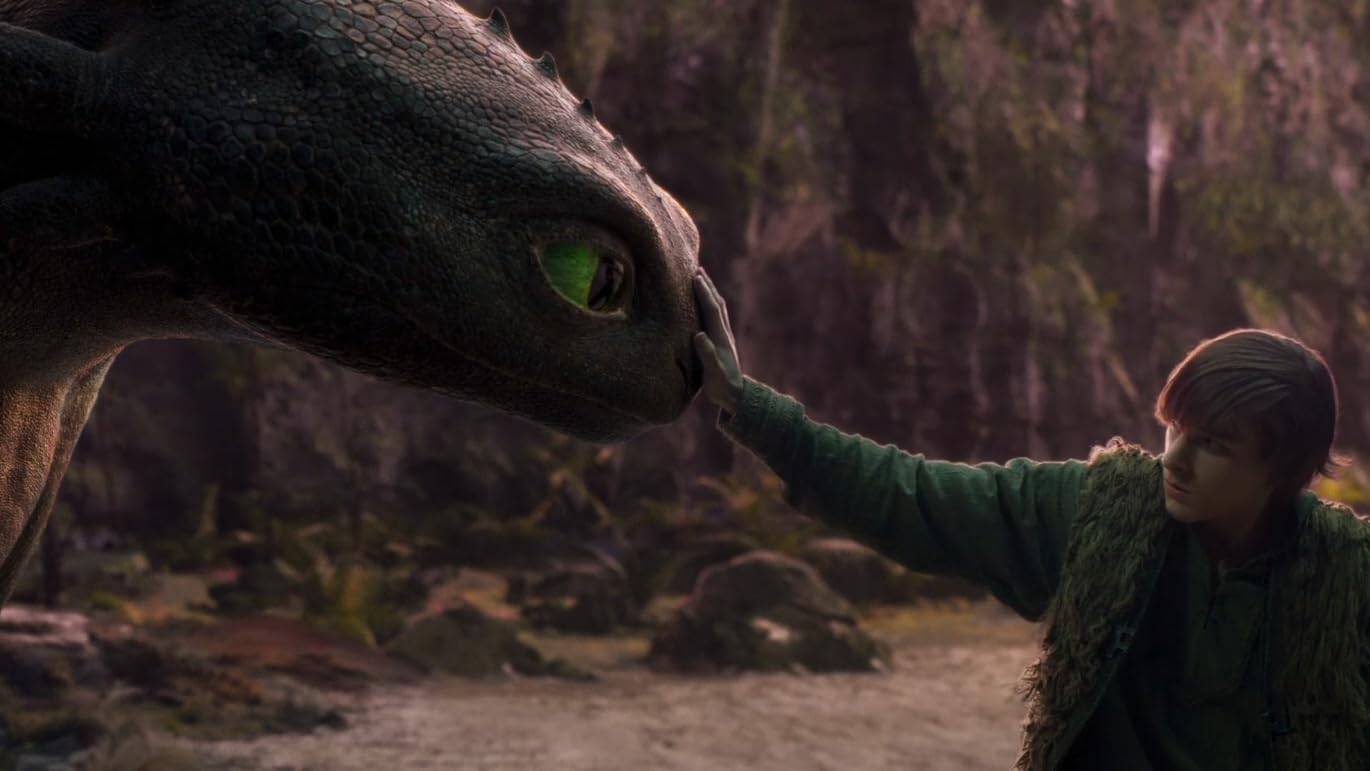
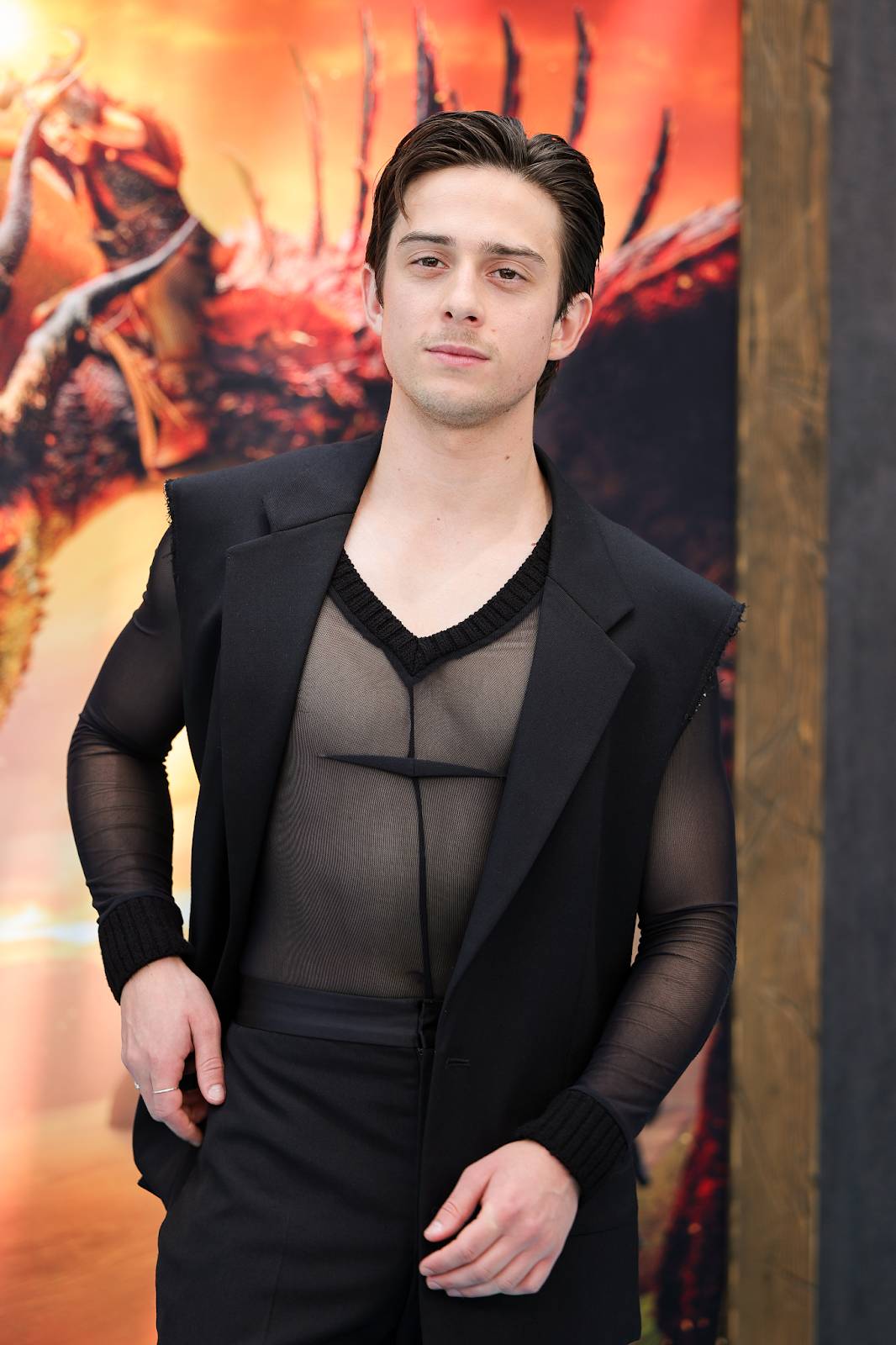
The live-action How to Train Your Dragon (2025) marked a significant shift in scale. Howell was cast as Snotlout Jorgenson, a character defined by bravado, insecurity, and comic aggression. The role demanded physicality, confidence, and the ability to function within a large ensemble built around world-building.
Unlike his earlier work, this performance required outward energy rather than internal collapse. Howell leaned into the character’s exaggerated self-belief while allowing moments of fragility to surface underneath. The contrast worked because it did not attempt to modernize or soften the character unnecessarily.
Importantly, Howell has spoken openly about enjoying the tangible nature of the production. Sets, costumes, and physical stakes mattered. For an actor trained in theatre, this kind of material continuity supports believable performance even in fantastical worlds.
Professional profile at a glance
| Detail | Information |
| Full name | Gabriel Howell |
| Date of birth | 19 February 1999 |
| Age | 26 |
| Birthplace | Hong Kong |
| Nationality | British |
| Education | Royal Academy of Dramatic Art |
| Graduation year | 2021 |
| Known for | Bodies, Nightsleeper, How to Train Your Dragon |
| Years active | 2021 to present |
Public presence and restraint
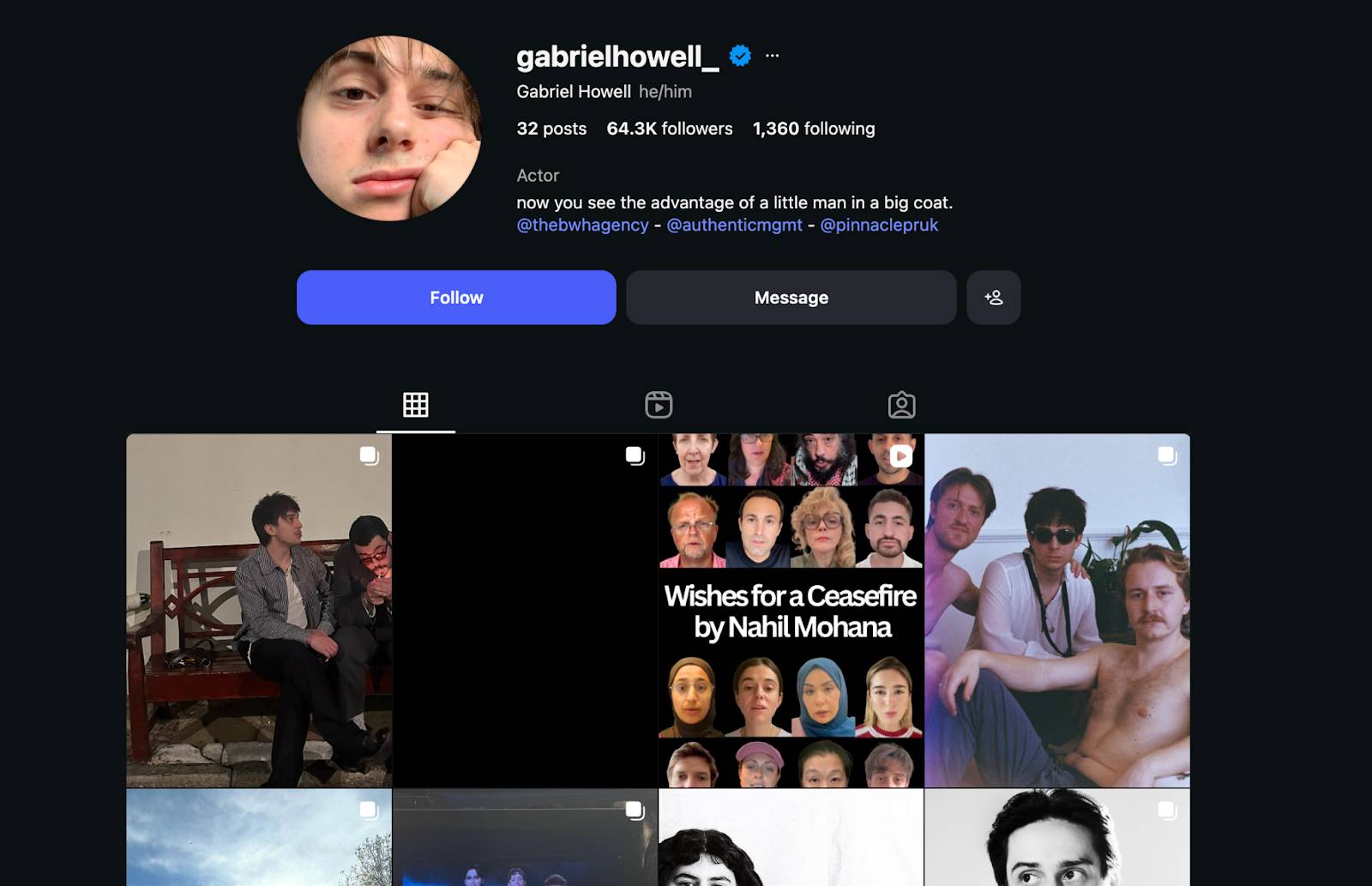
Gabriel Howell maintains a relatively low-intervention public image. His social media presence(Instagram) focuses on work, photography, and occasional political or humanitarian statements rather than lifestyle branding. There is little attempt to construct mystique or relatability as a product.
This restraint aligns with his career stage. He is visible enough to be recognized, but not overexposed. That balance matters in an industry where perception often moves faster than skill development.
Closing perspective
Gabriel Howell is not interesting because of how fast his career is moving, but because of how deliberately it is being built. His performances show respect for text, for ensemble work, and for the difference between presence and noise.
As his career expands, the question is less about whether he will remain visible and more about what kinds of characters he chooses to inhabit. So far, his choices suggest an actor more interested in tension, contradiction, and process than in acceleration.
In an industry that often rewards immediacy, that restraint may turn out to be his most durable asset.
Post Comment
Be the first to post comment!