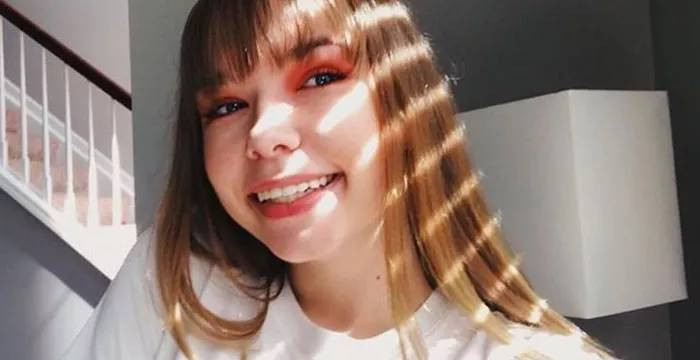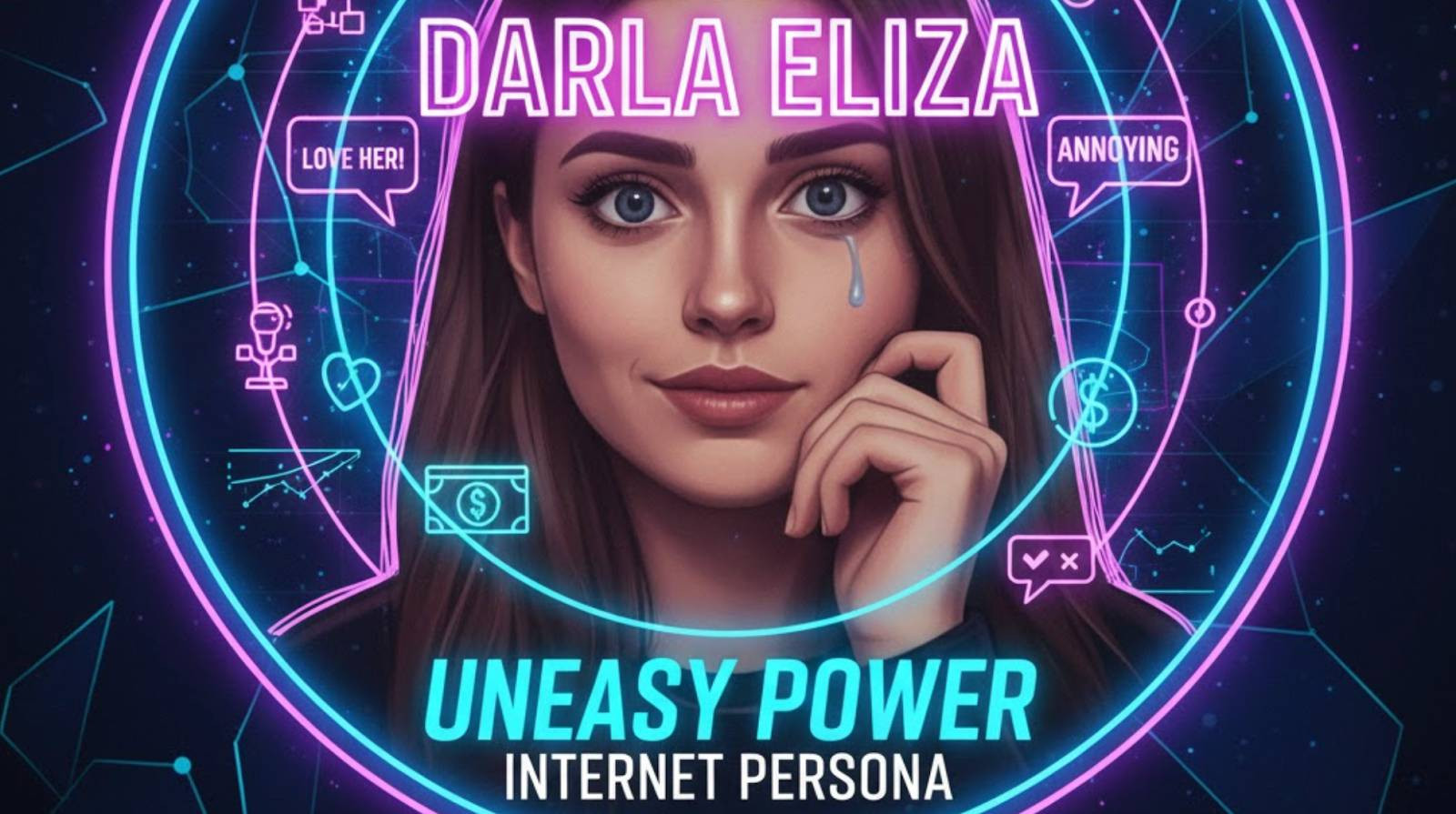
Darla Eliza did not arrive through traditional comedy, acting, or music. Her rise belongs entirely to the logic of short form platforms, where tone, repetition, and recognisable character matter more than polish. Over the past few years, she has become one of the most recognisable TikTok born creators, known primarily for her exaggerated “little dude” baby voice skits and a willingness to blur humour with vulnerability.
Her career is not just a story about going viral. It is a case study in how internet personas form, harden, and sometimes fracture under attention. Darla Eliza sits at the intersection of comedy, mental health discourse, parasocial culture, and algorithmic pressure. That combination explains both her massive reach and the polarised reactions she continues to attract.
Where the Persona Began

Darla Eliza launched her TikTok account in September 2019. Like many creators at the time, her early videos were informal and loosely structured. There was no clear character, no recurring bit, and no obvious strategy beyond experimentation. That changed gradually as she leaned into a high pitched baby voice paired with fast dialogue and exaggerated expressions.
The “little dude” character became the anchor of her account. In these skits, Darla often plays a precocious child navigating adult situations through naive logic. The humour comes from contrast. Adult topics like drinking, relationships, body image, or authority are filtered through a childlike lens that feels both absurd and confrontational.
This character was not a single viral hit. It was repeatable. That mattered more. The persona could be dropped into endless domestic scenarios and still feel familiar to viewers scrolling at speed. Over time, the algorithm rewarded that consistency.
Vulnerability as a Growth Accelerator
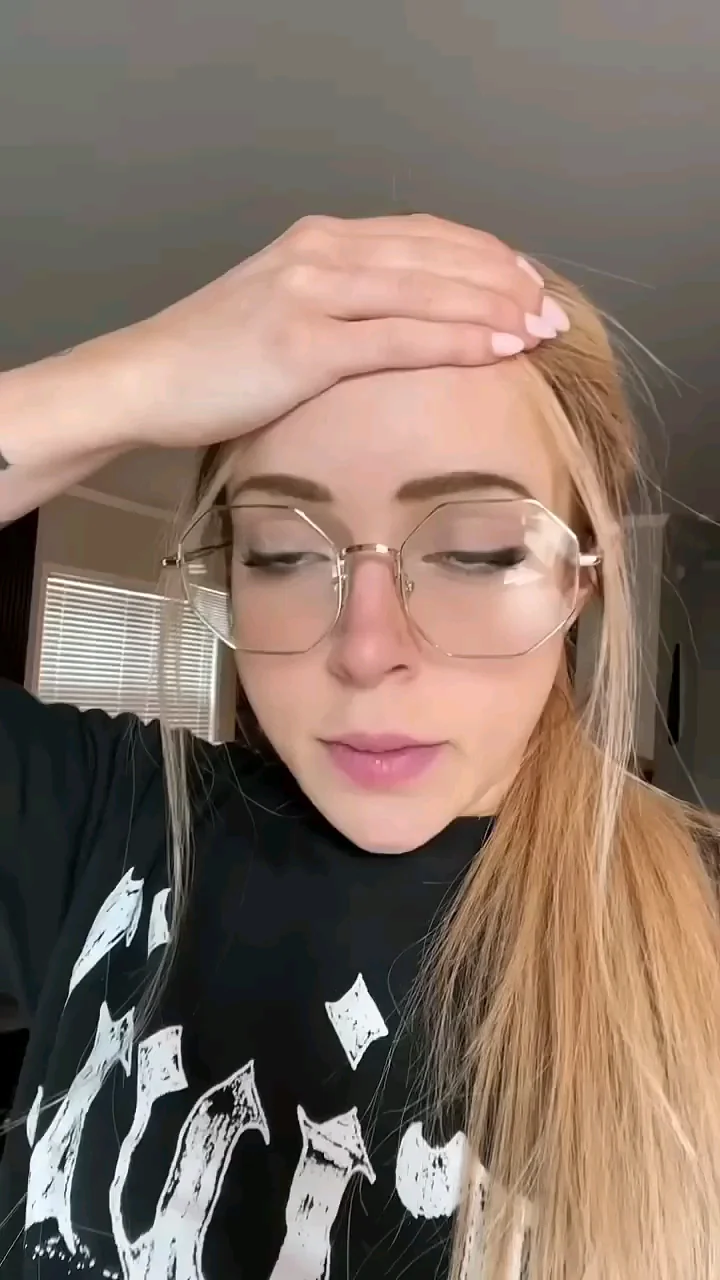
One of the earliest turning points in her growth came from a very different kind of video. Darla posted a candid TikTok about her eating disorder recovery. According to multiple public bios, this was the first video to cross one million views on her account.
The response revealed something important about TikTok culture. Viewers were not just consuming comedy. They were forming emotional attachments. That early vulnerability became part of her public identity, even though she never framed herself as a mental health educator or advocate.
From that point on, Darla occupied a dual role. She was both a chaotic comedic performer and someone perceived as emotionally open and relatable. This combination accelerated her growth, but it also set expectations she did not fully control.
Comedy That Divides Audiences
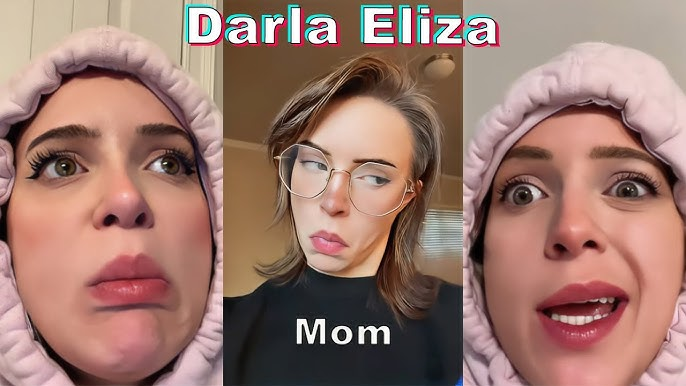
Darla Eliza’s humour is not subtle, and it is not designed to be. Her baby voice skits exaggerate innocence to the point of discomfort for some viewers. Supporters describe the content as chaotic, comforting, and endlessly rewatchable. Critics describe it as grating, infantilising, or repetitive.
This divide shows up clearly in TikTok comment sections and Reddit discussions. Some viewers feel deeply attached to her work. Others actively block her content to escape their For You page.
The tension reflects a broader issue in short form comedy. Repetition is rewarded by platforms, but repetition also magnifies irritation. A persona that works once can feel unbearable after the tenth exposure. Darla’s algorithmic success makes her impossible to ignore for those who dislike her style.
The Cost of Playing a Childlike Role
One of the most persistent critiques of Darla Eliza’s content revolves around age perception. The baby voice, combined with adult subject matter, creates discomfort for some viewers. Others argue that the performance intentionally exposes how society reacts to women who do not fit expected emotional registers.
The character is not a literal child, but the aesthetic is intentionally juvenile. This ambiguity fuels debate about appropriateness, especially given that a significant portion of TikTok’s audience includes teenagers.
These critiques are rarely resolved because they are not really about Darla herself. They reflect unresolved discomfort around female performance, sexuality, and agency online. Darla becomes a lightning rod for those tensions.
Fame Without Distance
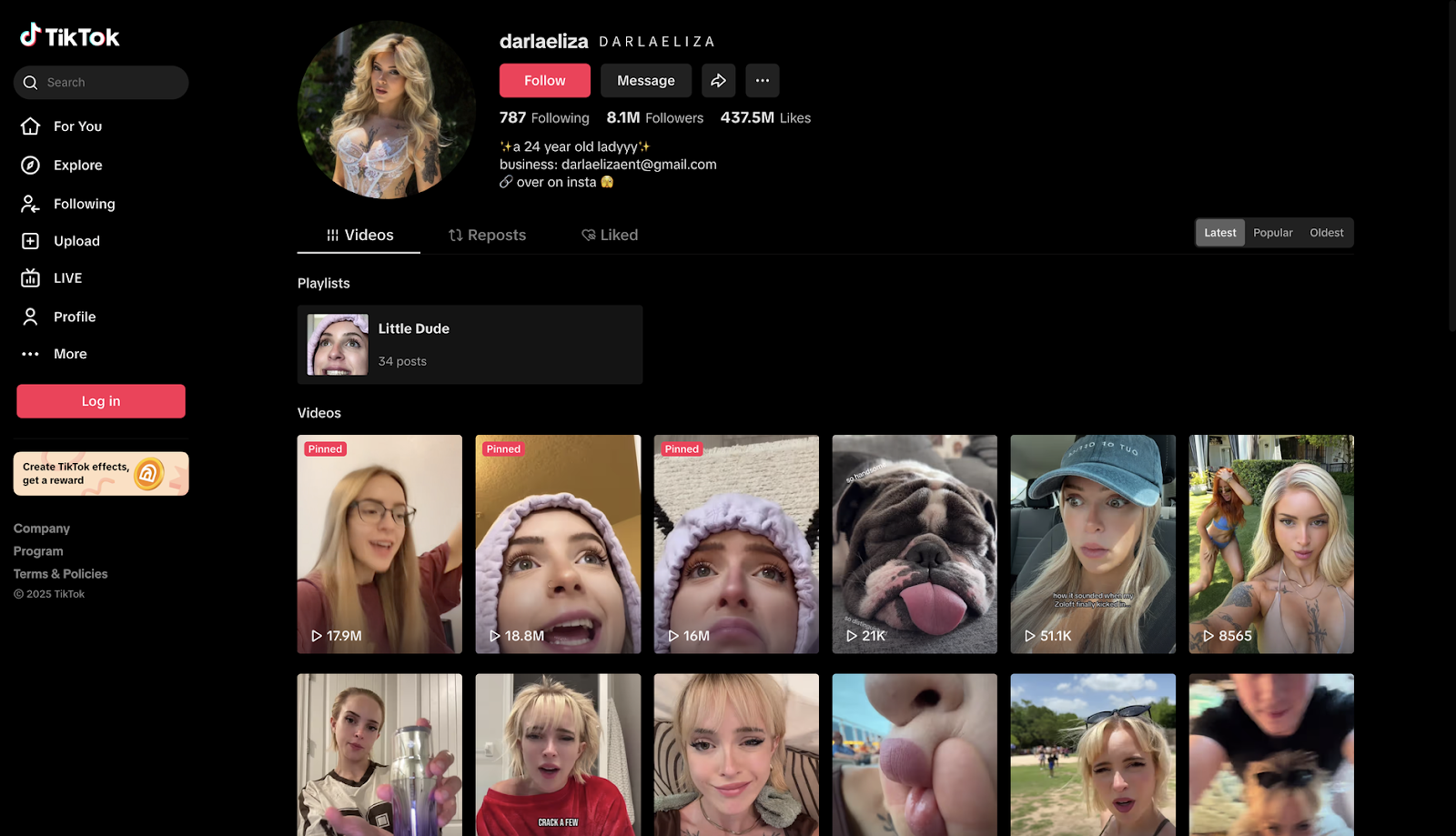
By 2025, Darla Eliza’s TikTok following had grown to well over eight million. Her YouTube channel, which hosts longer form content and reposted clips, has accumulated millions of subscribers as well.
Unlike traditional entertainers, she did not pass through layers of mediation. There was no network, no editors, no publicists shaping early narratives. The audience saw everything in real time. Breakups, body changes, tonal shifts, and emotional lows all played out in front of viewers who felt entitled to commentary.
This immediacy fuels parasocial closeness. Fans feel they know her. Critics feel licensed to diagnose her. Both reactions are intensified by the lack of distance between creator and audience.
Mental Health and Public Scrutiny
Darla’s openness about eating disorder recovery has been praised by many viewers who felt seen by her honesty. At the same time, it has complicated how her body is discussed online. Reddit threads and comment sections frequently debate whether certain posts constitute “body checking” or unhealthy signalling.
These conversations are rarely compassionate. They often slide into moral judgment or unsolicited diagnosis. This reflects a broader failure of internet culture to hold nuance when mental health intersects with monetised visibility.
Darla has never positioned herself as recovered or as an authority. Yet the internet continues to impose expectations of responsibility on her content, particularly because vulnerable audiences identify with her.
Monetisation and Professionalisation
As her reach expanded, Darla Eliza transitioned from an independent creator into a professionally represented one. She is reported to be signed with Cadence Talent, signalling a move toward structured brand partnerships and long term career planning.
She also appears on creator platforms that support subscriptions, exclusive content, and personalised interactions. These tools are now standard in influencer economies, but they further complicate parasocial dynamics. Access becomes a product, and emotional closeness gains monetary value.
Public net worth estimates vary widely and should not be treated as reliable. What is clear is that Darla operates within a fully monetised attention ecosystem, whether she foregrounds that reality or not.
Repackaged and Reused Content
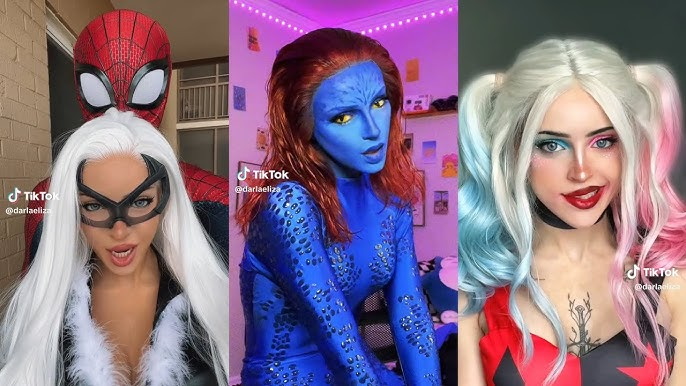
A notable aspect of Darla Eliza’s presence is how widely her work circulates beyond her own accounts. YouTube is filled with unofficial compilations titled “Best of Darla Eliza” or “Little Dude Series.” These videos often accumulate millions of views without her direct involvement.
This phenomenon highlights a strange truth of internet fame. Ownership becomes diffuse. A creator’s identity turns into a reusable asset, replicated endlessly by algorithms and third party channels.
While this expands reach, it also flattens context. Clips stripped of framing can exaggerate caricature and amplify misunderstanding.
Polarisation as a Feature, Not a Bug
Darla Eliza inspires strong reactions because her persona resists easy categorisation. She is not purely comedic. She is not purely confessional. She is not polished, and she is not chaotic by accident.
This ambiguity is precisely what platforms reward. Content that provokes strong feeling, whether affection or irritation, travels further. Polarisation is not a failure of her brand. It is part of its function.
What Her Career Reveals
Darla Eliza’s rise says less about individual talent than about the conditions of modern creator culture. Short form platforms reward specificity, repetition, and emotional exposure. They punish subtlety and restraint.
Her story illustrates how a single stylised persona can scale into millions of views, professional representation, and sustained visibility. It also shows how little control creators have once that persona solidifies.
For Darla, the challenge going forward is not relevance. It is flexibility. Internet fame is unforgiving to those who try to evolve without audience permission.
A Career Still in Motion
As of now, Darla Eliza remains active, widely followed, and deeply discussed. Whether she continues leaning into the “little dude” persona or attempts reinvention will shape how long her influence lasts.
What is clear is that her career cannot be reduced to gimmick or controversy alone. It is a product of platform design, audience appetite, and a willingness to exist loudly in a space that rarely grants women quiet complexity.
Darla Eliza is not just a TikTok creator. She is an example of what happens when performance, vulnerability, and algorithm collide, and what that collision demands from the person at its center.
Post Comment
Be the first to post comment!