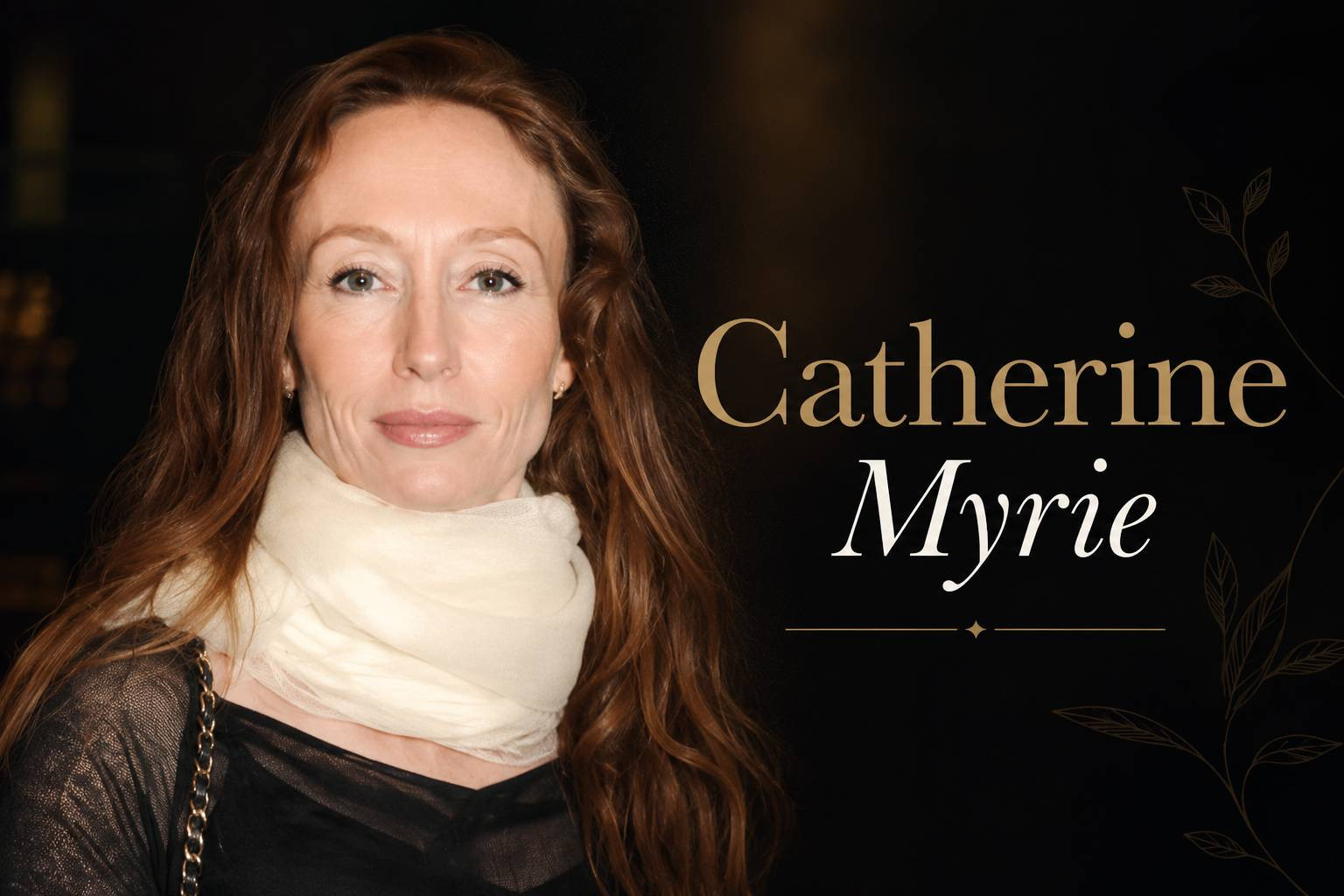
Catherine Myrie: The Private Craftswoman Beside One of Britain’s Most Recognisable Broadcasters
Catherine Myrie is not famous in the conventional sense. She does not appear to chase interviews, television panels, personal branding, or the glossy machinery that often follows the spouses of prominent public figures. Yet her name continues to surface because of the man she married: Clive Myrie, the BBC journalist, foreign correspondent, news presenter, and host of Mastermind. Behind that familiar public figure is a woman whose life appears to have been built around craft, privacy, independence, and quiet steadiness.
What makes Catherine interesting is not that she is married to someone famous. It is that she seems to have resisted becoming famous by association. In an era where proximity to celebrity often becomes its own career, Catherine has remained almost deliberately out of frame. The available portrait is partial, but compelling: a former publishing professional who became an upholsterer and furniture restorer, a woman with her own work, her own interests, and a marriage that has survived distance, danger, travel, and public pressure.
Quick Profile
| Detail | Information |
| Full name | Catherine Myrie |
| Known for | Wife of BBC journalist and presenter Clive Myrie |
| Profession | Upholsterer and furniture restorer |
| Previous career | Publishing |
| Met Clive Myrie | 1992, at a London book launch |
| Marriage | Married Clive Myrie in 1998 |
| Residence | Reported to live in North London |
| Public profile | Very private, rarely gives interviews |
A Life That Begins Off-Camera
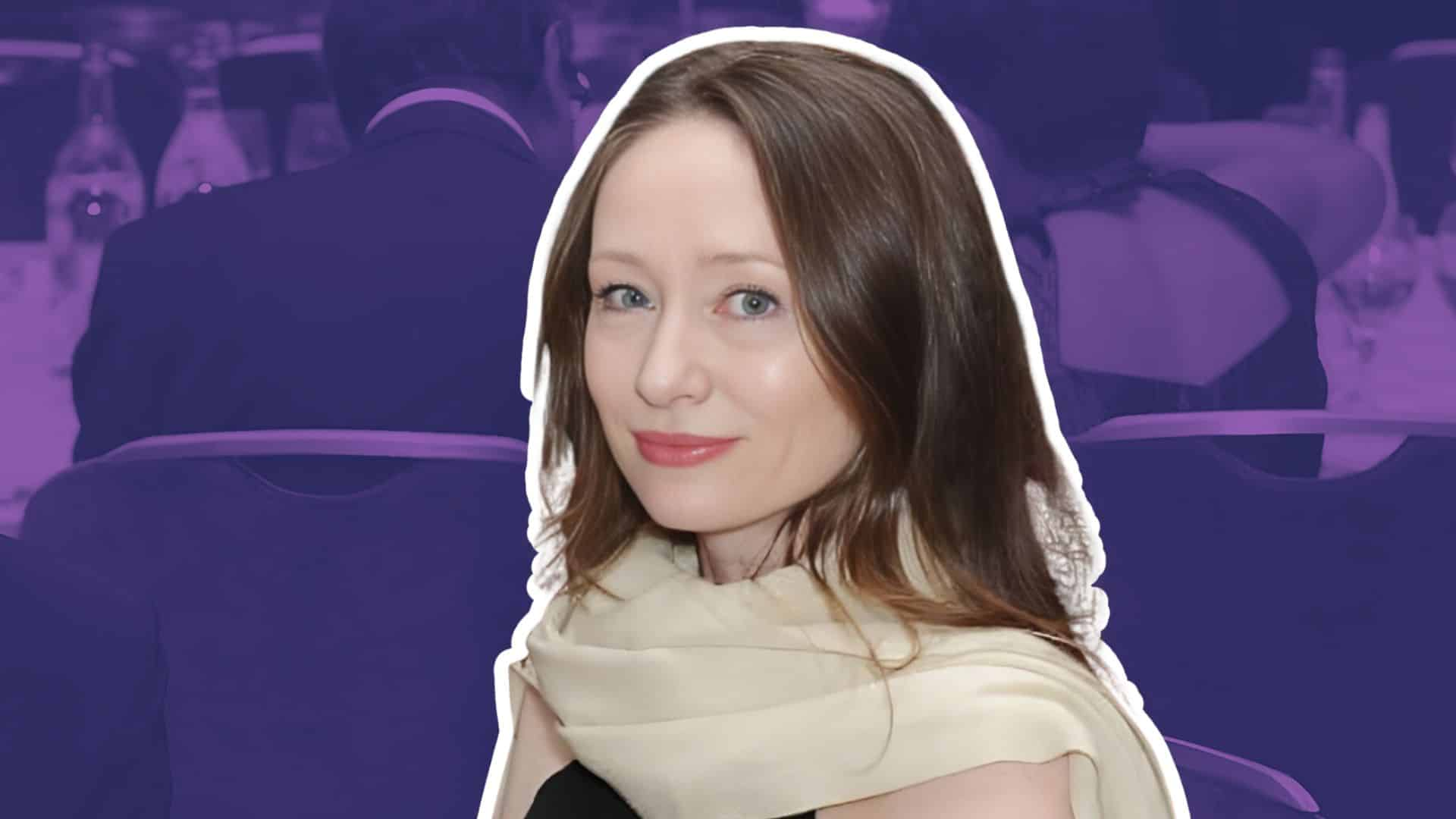
Very little is publicly known about Catherine Myrie’s early life, education, or family background. That absence is important because it says something about how she has chosen to live. Unlike many public-adjacent figures, she has not turned biography into performance. Most of what is known about her comes through interviews with Clive Myrie, public profiles, and brief biographical mentions.
The facts that do exist sketch a woman with a practical and creative life. Catherine reportedly worked in publishing before moving into upholstery and furniture restoration. The Guardian has described her as an “upholsterer and furniture restorer,” while other profiles note that she previously worked in publishing.
That transition is revealing. Publishing is a world of words, ideas, production, and taste. Upholstery and restoration are worlds of patience, hand skill, fabric, wood, repair, and detail. Both careers require attention, but the second requires something almost unfashionable in modern life: the willingness to restore rather than replace.
The Craft of Restoration
Catherine’s profession gives her public image a quiet depth. Upholstery and furniture restoration are not glamorous in the celebrity sense, but they are deeply intimate crafts. A restorer works with objects that have lived other lives. Chairs, sofas, frames, fabrics, and finishes arrive carrying the marks of time, use, damage, and neglect. The work is not simply decorative. It is a form of preservation.
That makes Catherine’s career feel unusually symbolic. While her husband spent decades reporting on upheaval, conflict, politics, displacement, and global crisis, Catherine’s work appears rooted in repair. One profession witnesses fracture. The other practices restoration.
This contrast should not be overstated, but it gives her story texture. She is not merely “Clive Myrie’s wife.” She is someone whose working life appears to revolve around patience, material knowledge, and the discipline of making damaged things usable again.
Meeting Clive Myrie
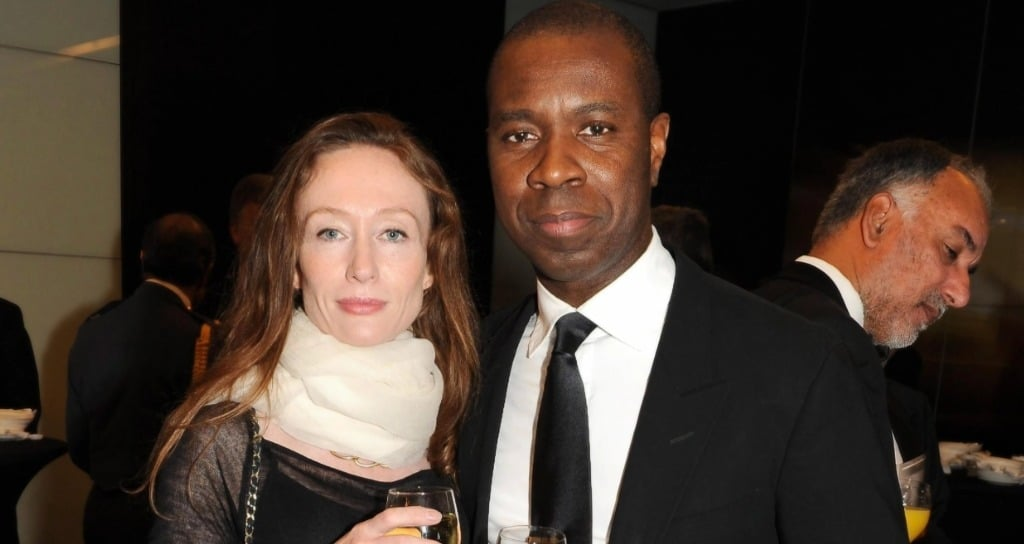
Catherine and Clive Myrie met in 1992 at a London launch event for a book about Swiss cheeses. At the time, Catherine was reportedly working in publishing. The detail has become one of the most repeated facts about their relationship, partly because it is so unexpectedly specific. It is not the usual celebrity-meets-celebrity story. It is a book launch, a niche subject, a London room, and two people whose lives would become entwined for decades.
They married six years later, in 1998, at Corpus Christi Catholic Church in Covent Garden. Their marriage has since lasted more than 25 years, through Clive’s long BBC career, foreign postings, war reporting, travel documentaries, studio presenting, and the public scrutiny that comes with being one of Britain’s best-known broadcasters.
Clive has credited Catherine with giving him “the courage and space” to pursue his dreams. That phrase matters because it does not describe a passive partner. It describes someone who understood the scale of his ambition and the cost of it.
Marriage as Distance, Space and Identity
One of the most interesting things Clive Myrie has said about his marriage is not romantic in the usual soft-focus way. In a 2023 Guardian interview, he said that he and Catherine each have their own interests and identities, adding that having space of one’s own helps a couple bond again when reunited.
That idea gives a more adult portrait of the marriage. It is not presented as constant togetherness. It is built around independence, return, and mutual room. This makes sense given Clive’s career. He has reported from more than 90 countries and covered major international stories, including wars and conflict zones.
Catherine’s role in that life cannot be reduced to waiting at home. A marriage shaped by international reporting requires a different kind of emotional architecture. There are absences, sudden assignments, danger, and the emotional residue of news work. A partner in that world has to live with uncertainty while also maintaining her own life.
The Decision Not to Have Children
Catherine and Clive Myrie do not have children, and Clive has spoken publicly about that decision. In interviews around his memoir, he explained that they initially tried to have a child, but nothing happened, and over time they felt that their travel-heavy life would not be fair to children. He also noted that both came from large families and had a rich extended family life with nephews and nieces.
This is one of the more personal details known about Catherine’s life, but it is mostly told through Clive’s public interviews. It should be treated with care. What emerges is not a story of absence, but one of choice, circumstance, and acceptance. Their life together appears to have been built around mobility, work, family networks, and shared freedom rather than a conventional domestic script.
Privacy as a Form of Character
The most defining feature of Catherine Myrie’s public life is privacy. She is not a social media personality. She is not a television regular. She is not constantly quoted in lifestyle profiles. In fact, the more one looks for her, the more obvious it becomes that she has chosen to keep most of herself unavailable. That privacy is not emptiness. It is a boundary.
In today’s media culture, privacy is often mistaken for lack of significance. Catherine’s story suggests the opposite. Her low public visibility gives her a kind of quiet authority. She has not become a public character in her husband’s story. She remains a person with a separate life, a separate craft, and a carefully protected interior world.
Why People Are Curious About Catherine Myrie
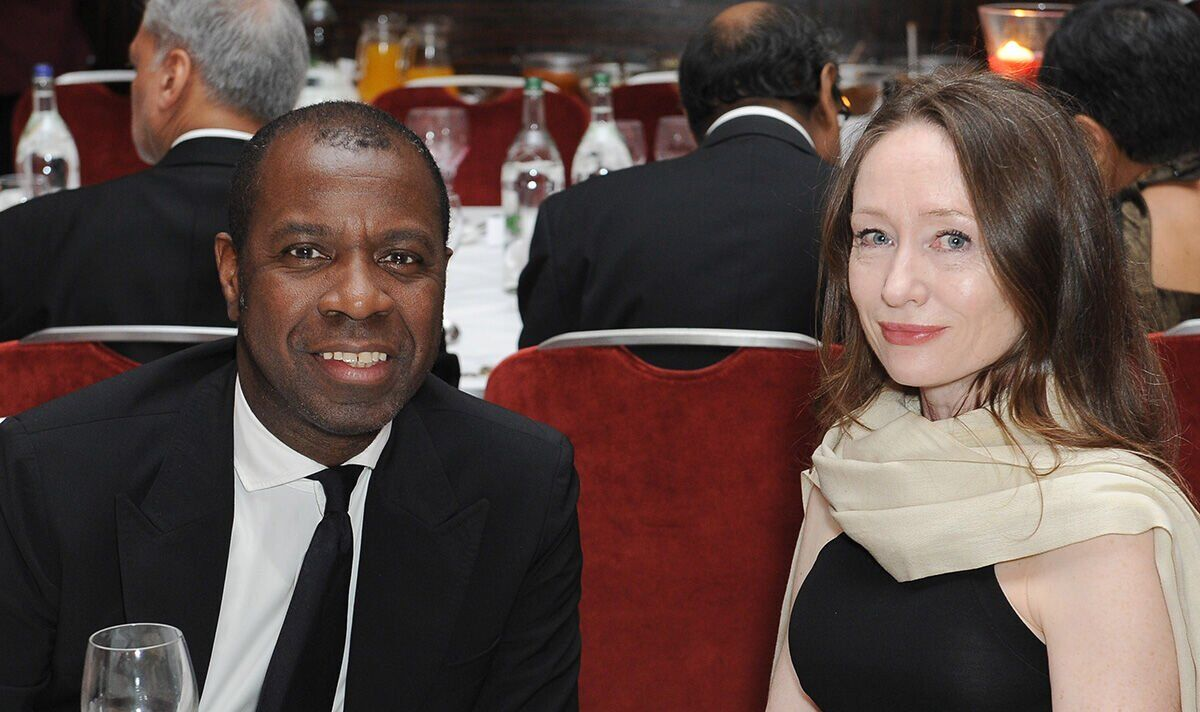
Public curiosity about Catherine usually comes from three places. First, Clive Myrie is a familiar and widely respected broadcaster. Viewers who know him from BBC News, foreign reporting, Mastermind, and travel programming naturally become curious about his private life.
Second, Catherine represents a different kind of public-adjacent figure. She is not using her connection to build fame. That restraint makes people more interested, not less.
Third, the contrast between their worlds is compelling. Clive’s career has placed him in studios, war zones, international capitals, and national moments. Catherine’s public image is connected to craft, restoration, and domestic artistry. One life is visible and verbal. The other is tactile and quiet.
What We Know, and What We Should Not Pretend to Know
A responsible biography of Catherine Myrie has to acknowledge its limits. There is no large archive of interviews with her. There are few verified details about her childhood, education, private beliefs, personal routines, or individual career milestones. Much of the public record comes through Clive Myrie’s interviews and profiles.
That means any article about her should avoid filling gaps with invention. It is fair to say she is private. It is fair to say she worked in publishing, became an upholsterer and furniture restorer, met Clive in 1992, married him in 1998, and has remained largely outside the public spotlight. It is not fair to invent inner thoughts, dramatic backstories, or unsupported claims. The restraint is part of the story.
Final Portrait
Catherine Myrie’s life, as far as the public record allows us to see it, is not a conventional celebrity biography. It is quieter, more elusive, and perhaps more interesting because of that. She appears as a woman who moved from publishing into restoration, built a skilled creative life, married one of Britain’s most recognisable journalists, and still chose not to turn herself into a public brand.
Her story is not one of fame. It is one of form. The form of a life kept intact. The form of a craft built on repair. The form of a marriage that seems to allow distance, identity, and return. Catherine Myrie remains partly unknown, but not unknowable. What can be seen is a woman who has made privacy feel less like disappearance and more like discipline.



Xenix News
May 15, 2026Trump calls US-China ties ‘one of the most significant relationships in history