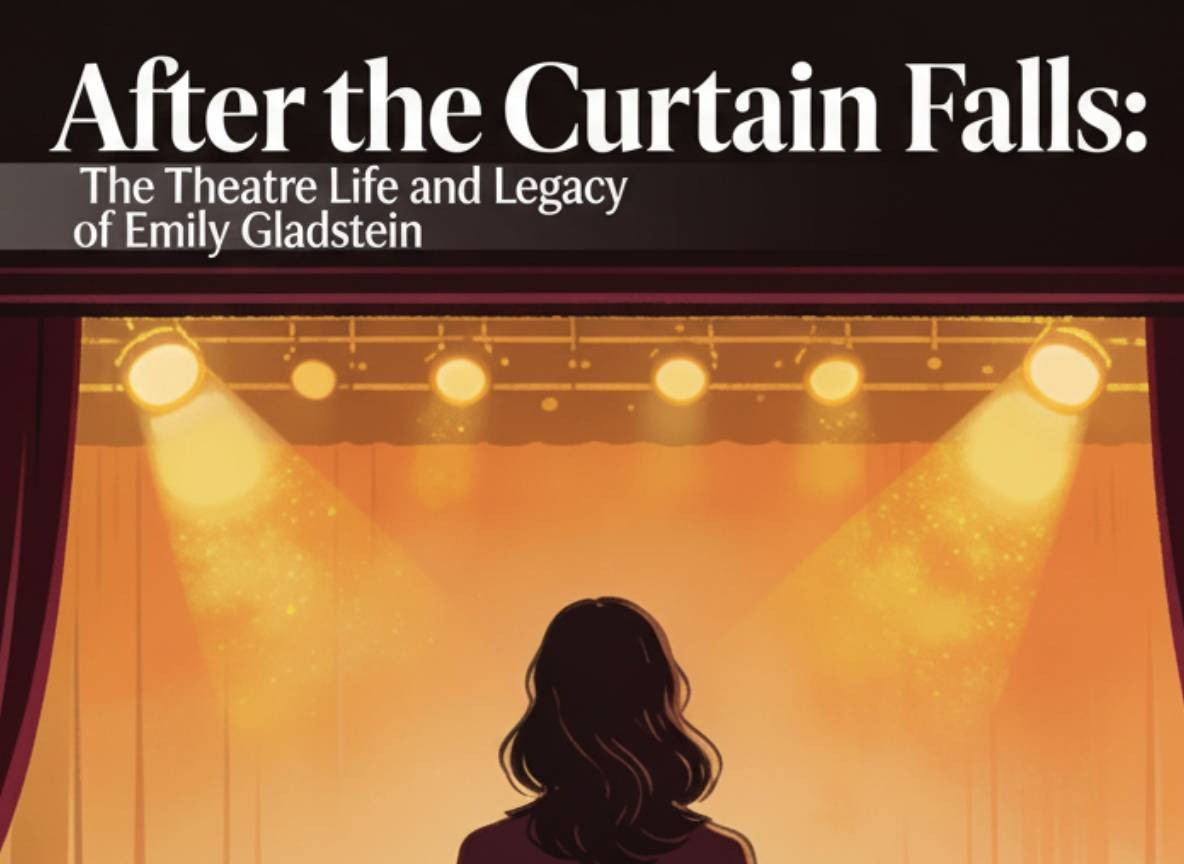
After the Curtain Falls: The Theatre Life and Legacy of Emily Gladstein
Emily Gladstein’s life reads like the kind of story theatre people tell each other long after the curtain comes down: a story about someone who never chased the spotlight, yet became impossible to forget. In the corners of rehearsal rooms, in hurried tech runs, and in late-night debriefs over coffee, her name still comes up as shorthand for warmth, work ethic, and a kind of hopeful chaos that felt strangely like home.
A childhood of contradictions
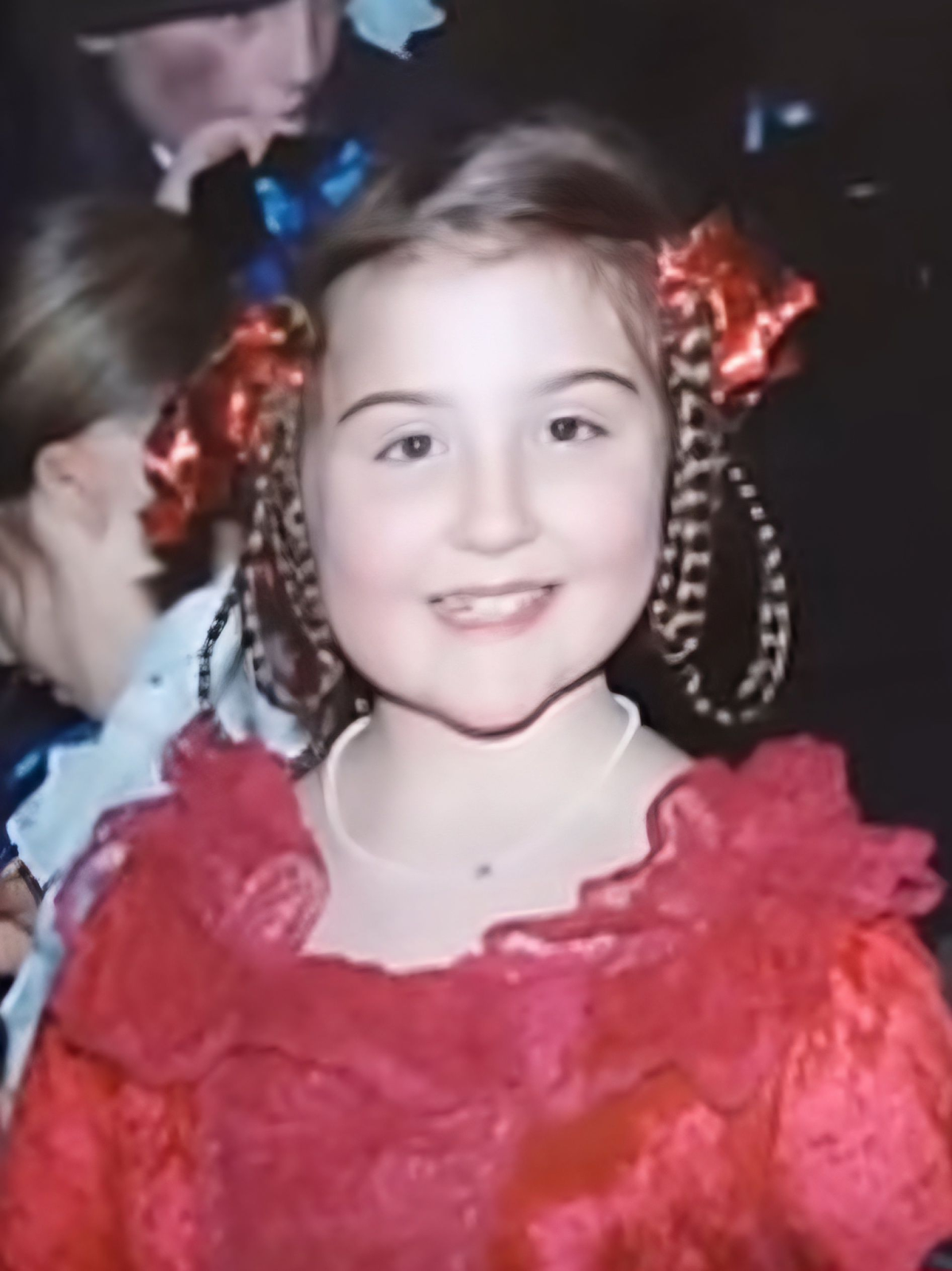
Emily grew up on the East Coast of the United States, in surroundings that, from the outside, looked stable and comfortable. Her childhood, however, was more complicated than a neat family snapshot: different accounts of “Emily Gladstein” speak of homes that were at once privileged and deeply troubled, of parents who were respected in public but struggled in private, and of a young girl learning early how fragile “normal” can be.
Friends remember a kid who was quick to laugh and quicker to defuse tension with a joke, the sort of girl who turned awkward silences into absurd stories and made even serious adults crack a smile. Those instincts reading a room, rewriting the mood, creating a little pocket of safety where none existed would later become the foundation of her theatre life.
Finding theatre – and a kind of refuge

By the time Emily reached her late teens and early twenties, theatres had become more than just places to perform; they were places to breathe. In rehearsal rooms on Long Island and in New York, she found a language that made sense to her: scripts, props, light cues, and the charged, pre-show quiet that only theatre people really understand.
She did not arrive like a prodigy with a single defining role; she arrived like most real theatre artists do—piecemeal. One semester she was the student talking about starting an improv troupe at Marymount Manhattan College; another season she was the person making sure the right prop landed in the right actor’s hand at exactly the right second. Slowly, in spaces where nobody is famous and everybody is essential, she became part of the fabric.
The indie stages that became her world

If you want to trace Emily’s career, you don’t look for billboards; you look for programs and posts from companies like Outta Bounds Productions and Studio Theatre’s Bayway Arts Center. Her name appears around productions that are as demanding as they are unglamorous: Motherf$&?er With the Hat, Night of the Living Dead, Suburbia, ACME, Blackbird, and a pair of Fall Festivals that required her to juggle multiple shows and personalities at once.
In these productions, she was rarely the person in the final curtain-call photo, but she was always the person you texted when everything started to unravel. She stage-managed, assistant stage-managed, wrangled props, ran interference between frazzled actors and overworked directors, and, when none of that was strictly her job, she simply picked up a paintbrush and helped finish the set. To call her “support staff” would miss the point; she was the unofficial emotional infrastructure of every room she walked into.
Company tributes describe her as “one of our greatest friends and collaborators” and talk openly about an “immeasurable void” after she was gone. That is not standard-issue memorial language for a casual volunteer; that is what companies say about people who change the way they work, and the way they treat one another.
Work that carried her fingerprints
Emily’s artistic signature was not a single iconic role; it was a pattern.
You feel it in:
● The tightly run chaos of a horror classic like Night of the Living Dead, where a missed cue can sink the tension.
● The emotional precision required for plays like Blackbird and Motherf$&?er With the Hat, where backstage steadiness keeps onstage wounds from reopening after the final bow.
● The sprawling, overlapping logistics of Fall Festivals, where she helped multiple shows share space, sets, and sanity without burning out the people involved.
Colleagues say she “fueled whatever project she was working on,” a line that sounds poetic until you imagine what it actually looks like: arriving early, staying late, keeping lists in her phone, remembering who needed a pep talk and who just needed a quiet nod before places. In an industry obsessed with credit and visibility, she became a quiet argument for a different kind of success—the kind measured in trust rather than reviews.
Emily, offstage
Away from the rigging and rehearsal blocks, Emily’s life felt looser, more improvisational, but no less deliberate. An Instagram trail shows snapshots from places like Lake George and small, domestic moments that feel almost defiantly ordinary: friends, water, road-trip light, the kind of images you take when you want to prove to yourself that joy still exists.
Her friends describe her as intense in the best way—full-volume laughter, big opinions, fiercely protective of the people she loved. She gravitated toward animals and toward people who felt out of place, and she had a knack for turning misfits into a kind of temporary family, especially in the pressure cooker of production. That instinct resonates with separate accounts of an “Emily Gladstein” who became an advocate and cautionary figure in conversations about trauma, mental health, and the aftermath of a chaotic home, particularly around a widely discussed “Hell House” in Huntington.
These overlapping Emily's backstage anchor, restless friend, survivor of environments that never matched their polished exterior may not be the same in every detail, but the through-line is striking: a young woman who knew what it meant to feel unsafe, and who spent her energy making other people’s spaces safer.
A sudden ending, and the questions it left
Emily’s life ended in 2022, far too soon for a community that had quietly started to rely on her. There are plenty of theories about what happened and why; responsible outlets acknowledge the gaps and resist filling them with speculation, noting only that the circumstances of her death have never been fully explained in public.
What is documented is the aftermath. Theatre friends organized a gathering at Bayway Arts Center under the banner “Celebrating Emily Gladstein’s Life and Friendship,” turning a familiar venue into a kind of temporary chapel for stories. A GoFundMe set up by those closest to her describes a “bright young woman who made a lasting impact on countless people,” and the donations many small, many from names only theatre folks would recognize—read like a roll call of an entire indie scene paying its respects.
Why people still remember her
In a culture that usually reserves big, polished obituaries for celebrities and headliners, the way people talk about Emily is quietly radical. They remember her not because she was famous, but because she made their everyday work and everyday pain more bearable; not because she took up space, but because she carved out room for others.
People remember her because:
● She showed that backstage roles can be acts of profound authorship shaping not just what audiences see, but how artists feel while making it.
● Her story, with its mix of early instability, chosen family, and an unresolved ending, forces uncomfortable but necessary conversations about mental health, trauma, and how communities support their own.
● Her absence is still felt in the practical, physical rhythms of her theatres: the way a props table is organized, the way a stage manager talks to a nervous actor, the way a production team checks in on each other when the work gets dark.
Post Comment
Be the first to post comment!